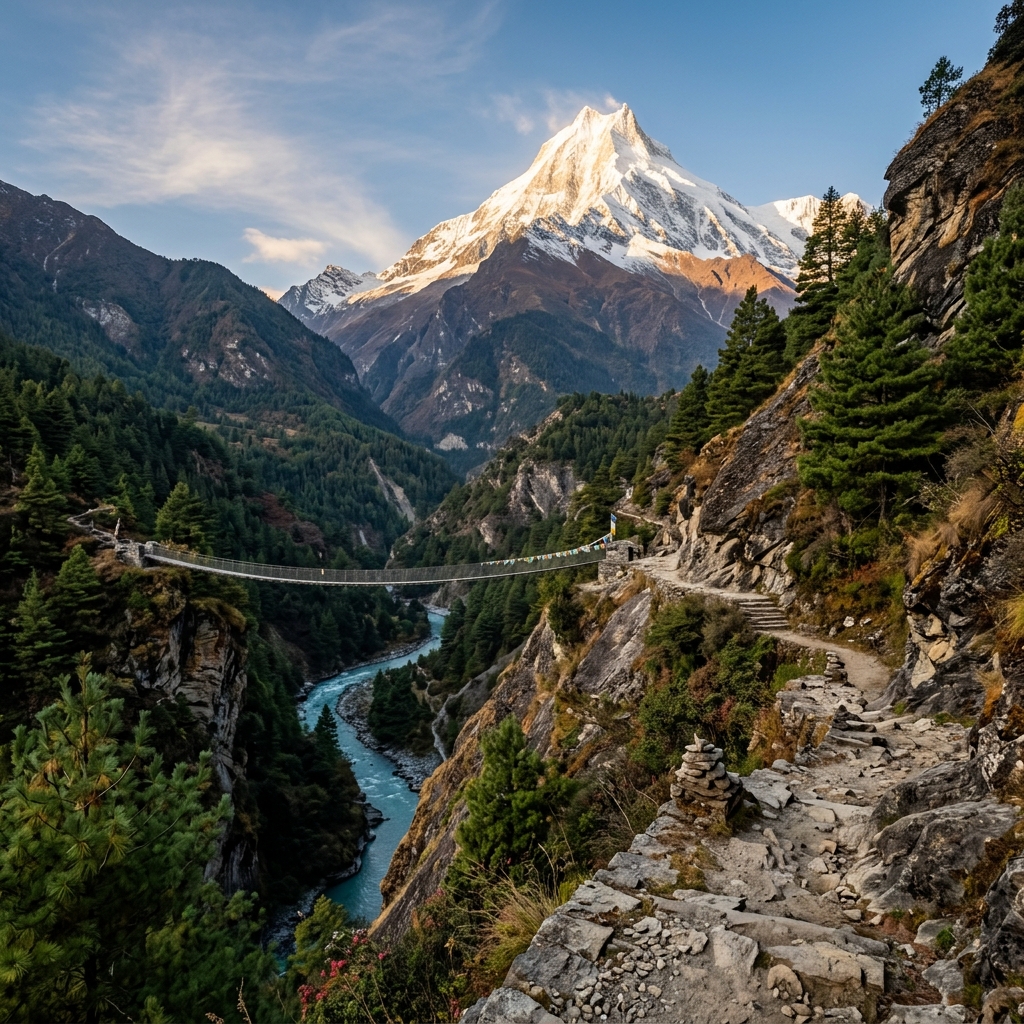
From the towering peaks of Everest and Annapurna to the secret kingdoms of Upper Mustang and Dolpo —
discover certified guided expeditions across Nepal's 8 iconic regions. Explore regions →
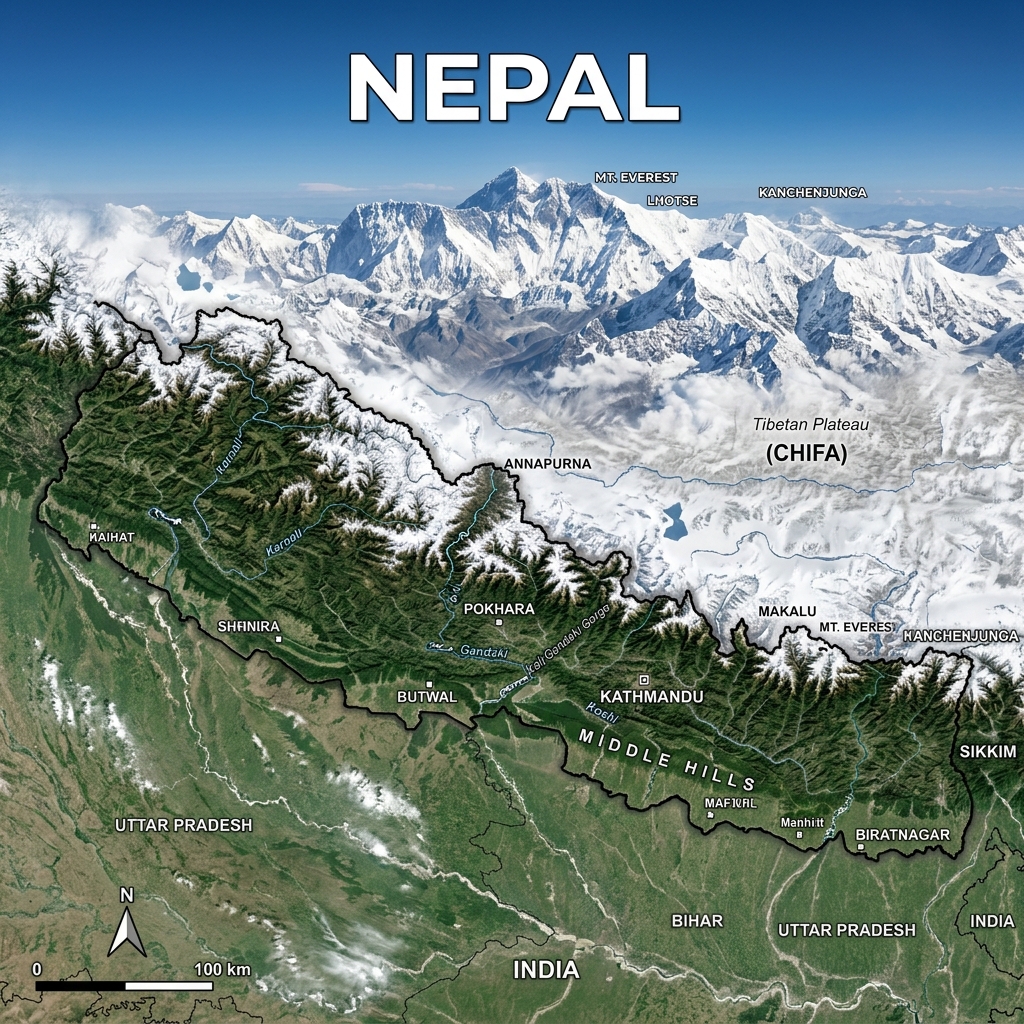
Explore Nepal's 8 trekking frontiers on an interactive Google Terrain map with satellite imagery and live
region pins.
Nepal Himalayan Topography & Trekking Map
Select Destination Region8 Active Pins
Everest & KhumbuMax 5,545m · Eastern Nepal
Annapurna MassifMax 5,416m · Central Nepal
Langtang ValleyMax 4,773m · North Kathmandu
Manaslu CircuitMax 5,106m · West-Central
Upper MustangMax 3,840m · Trans-Himalaya
Upper DolpoMax 5,350m · Far-West Nepal
KanchenjungaMax 5,143m · Far-East Border
Makalu BarunMax 4,870m · Eastern Nepal
CURATED HIMALAYAN EXPEDITIONS
Choose Your Adventure Region
Every region offers distinct mountain landscapes, cultural traditions, altitude profiles, and trail
conditions tailored for your trekking goals.
UNESCO WORLD HERITAGE
6 Documented Routes
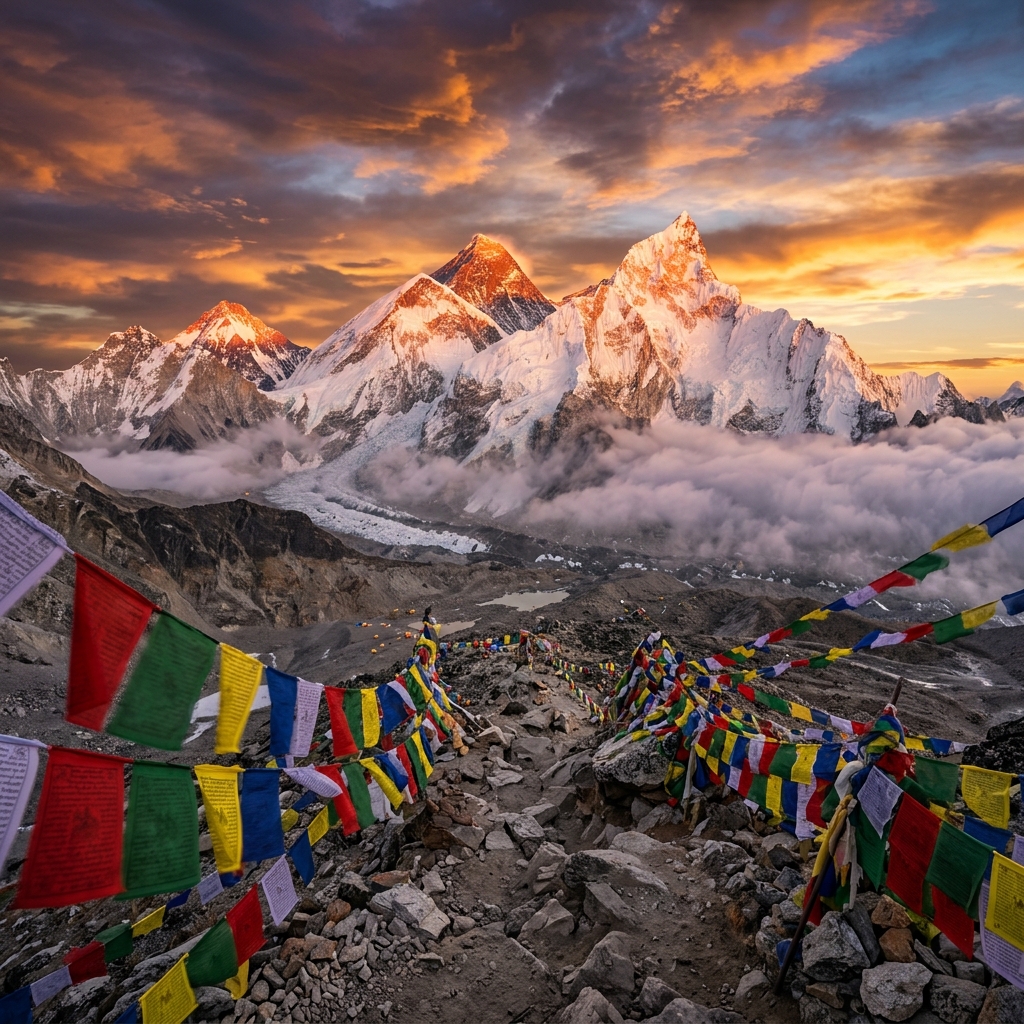
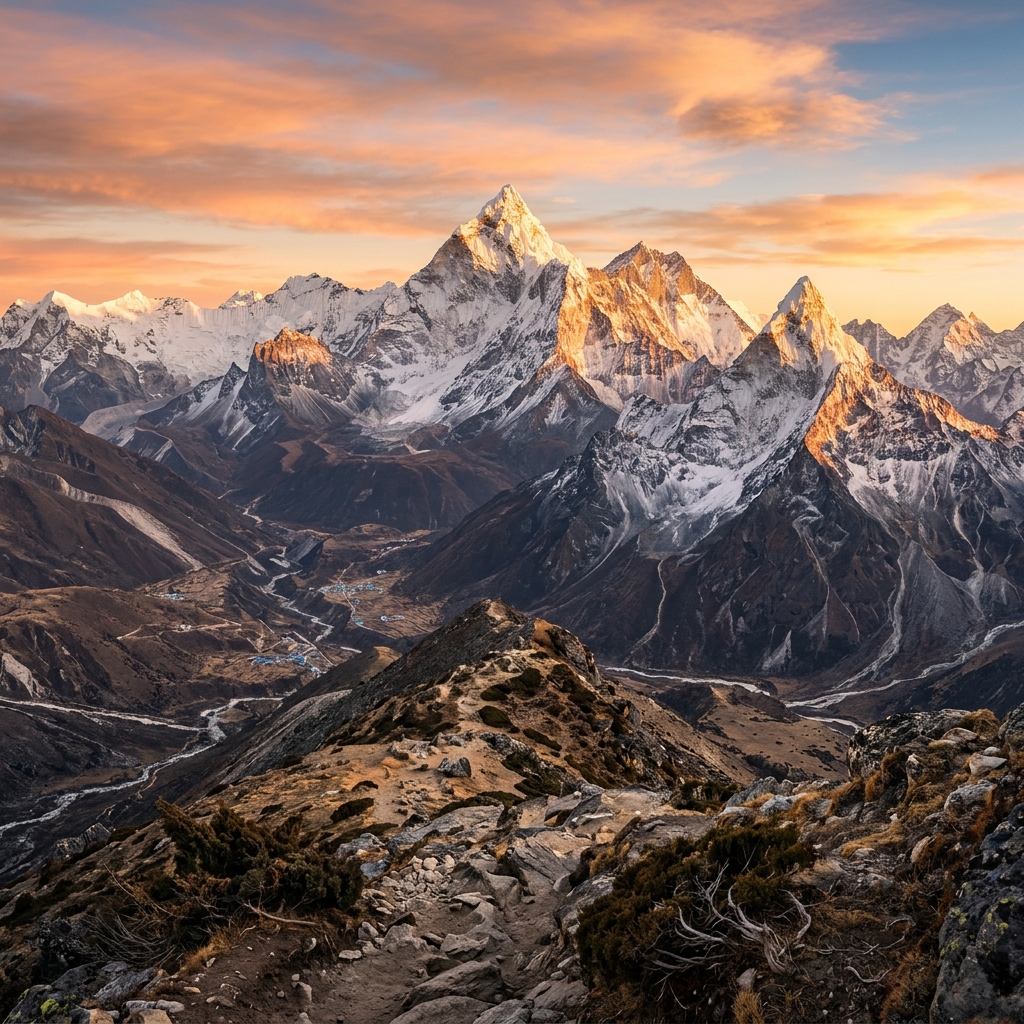
Everest & Khumbu Region
Sagarmatha National Park · Solukhumbu District
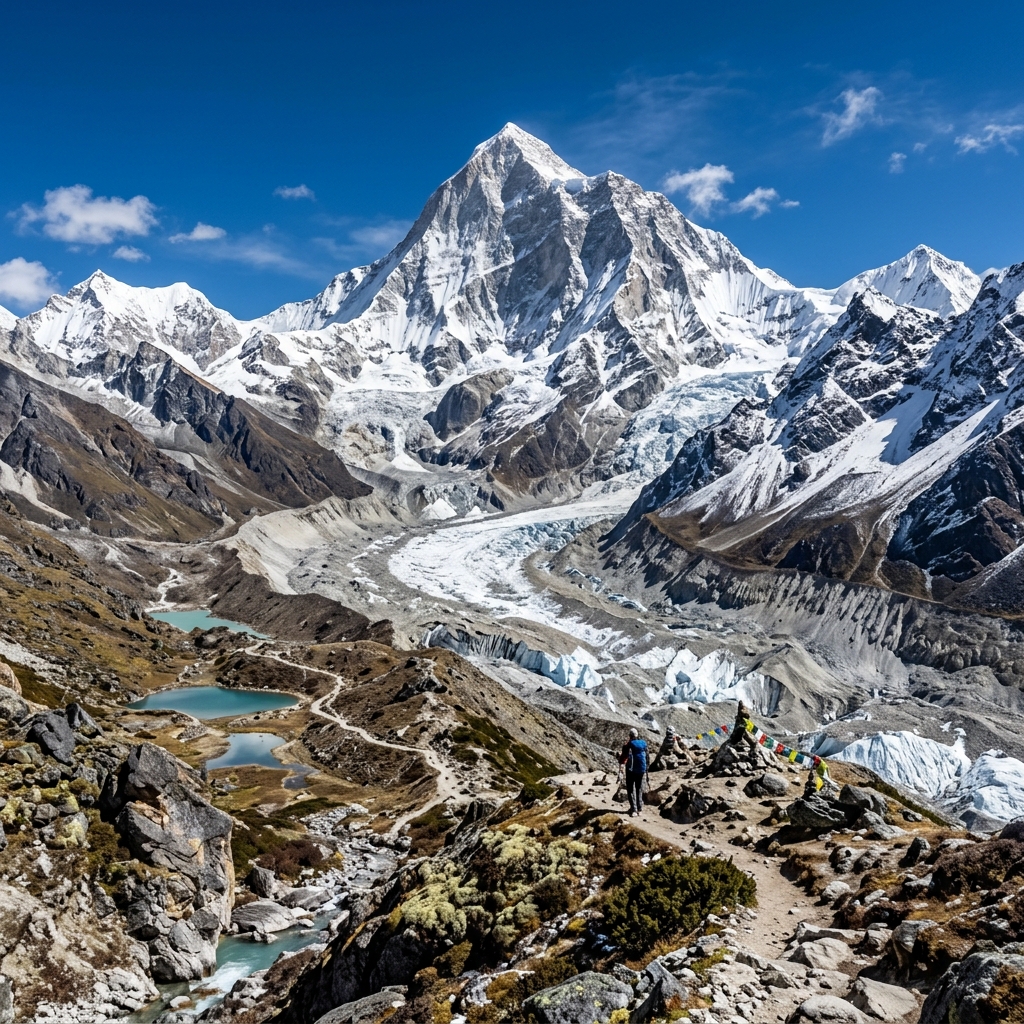
Elevation: 2,800m – 8,848.86m · Max Trail Pass: 5,545m (Kala Patthar / Cho La)
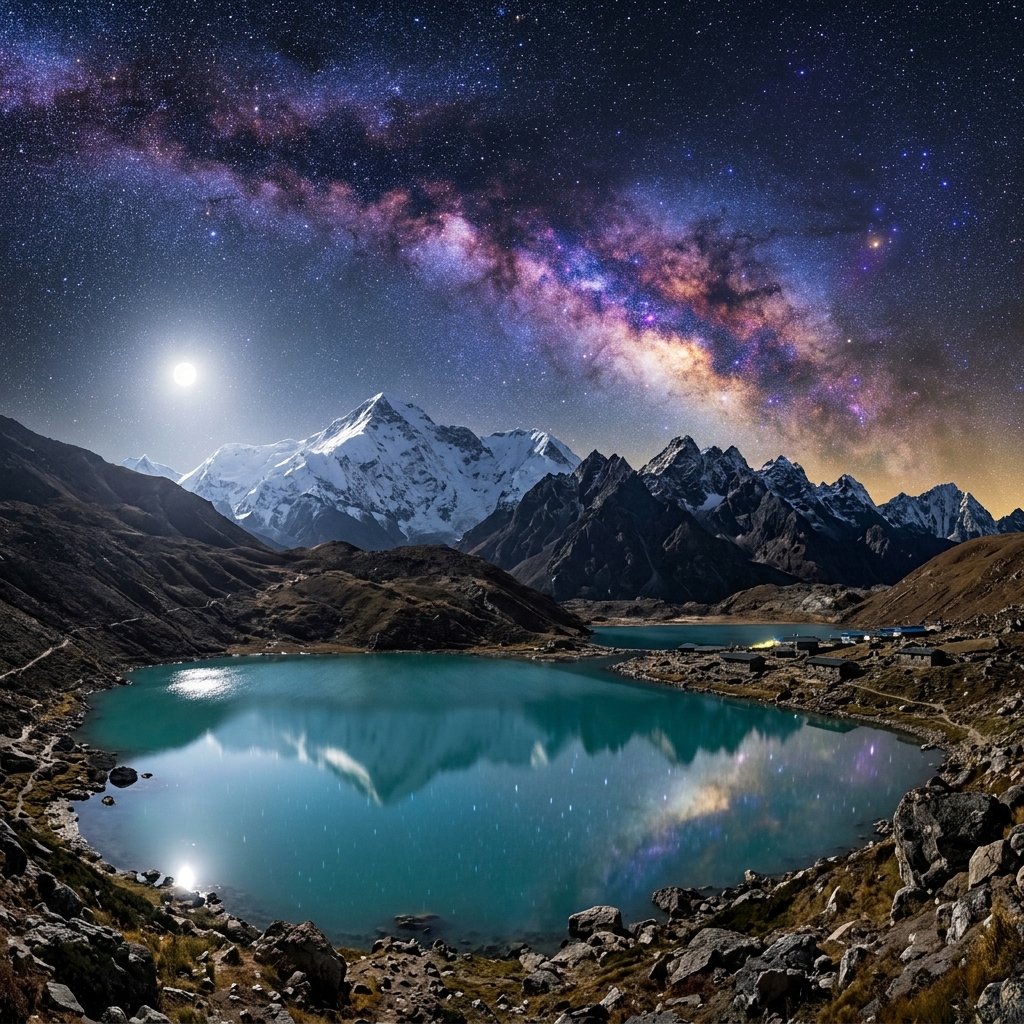
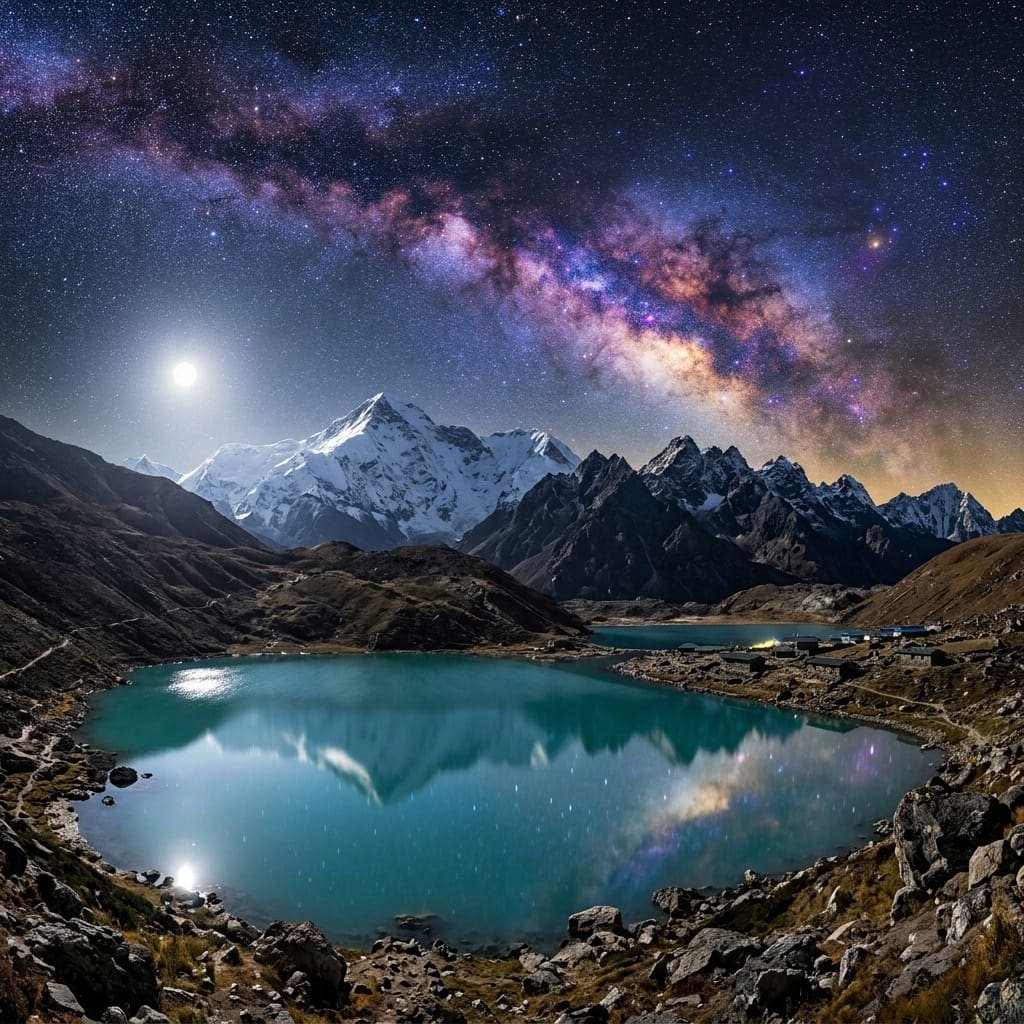
The crown jewel of Himalayan trekking, home to Mount Everest, Nuptse, and Ama Dablam. Characterized by
dramatic glacial moraines, sacred high-altitude turquoise lakes, and authentic Sherpa Buddhist culture.
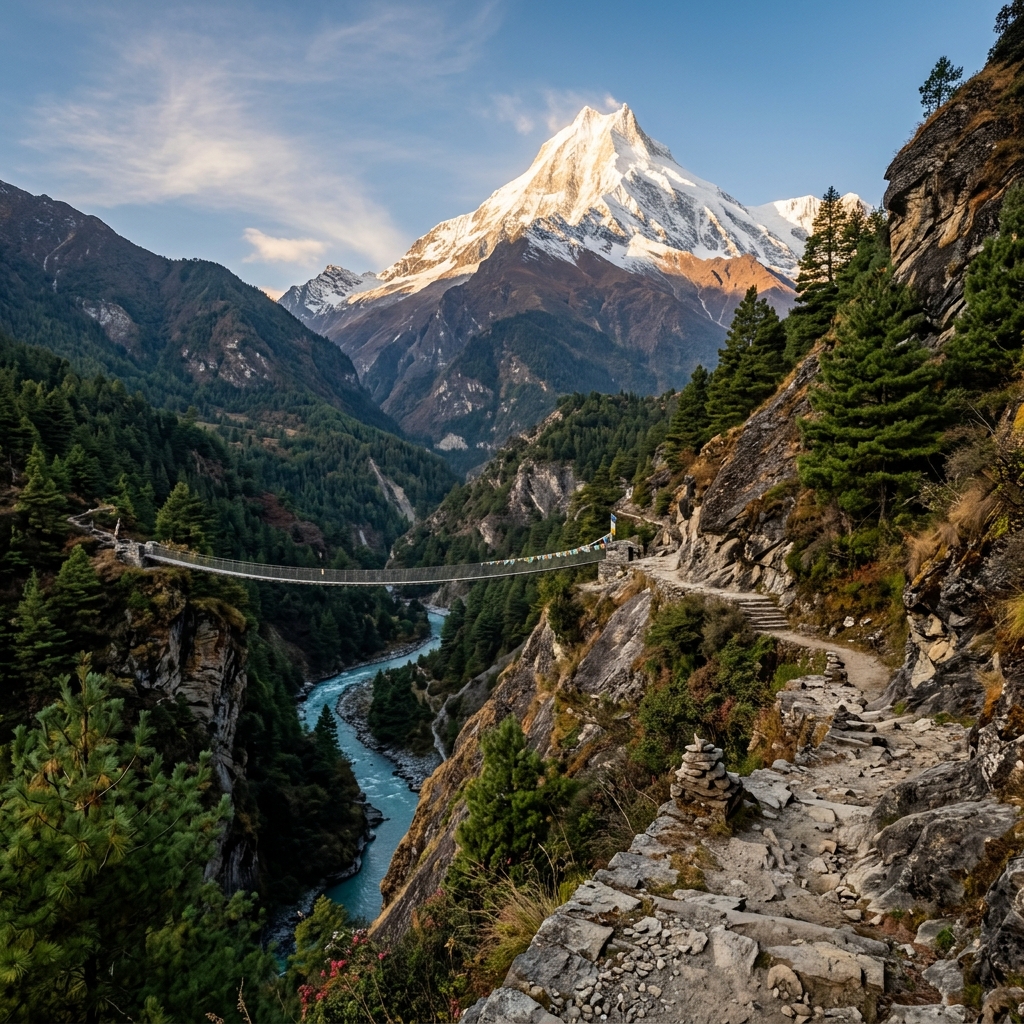
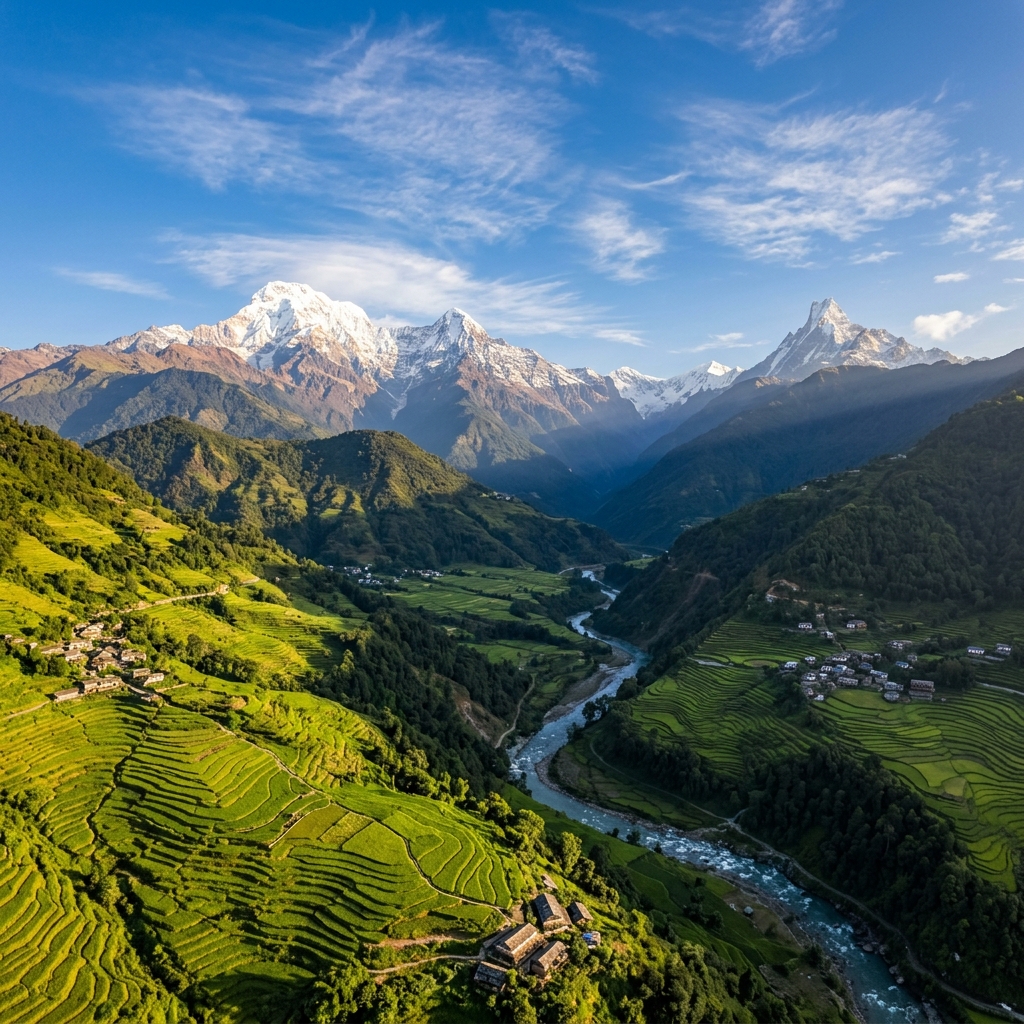
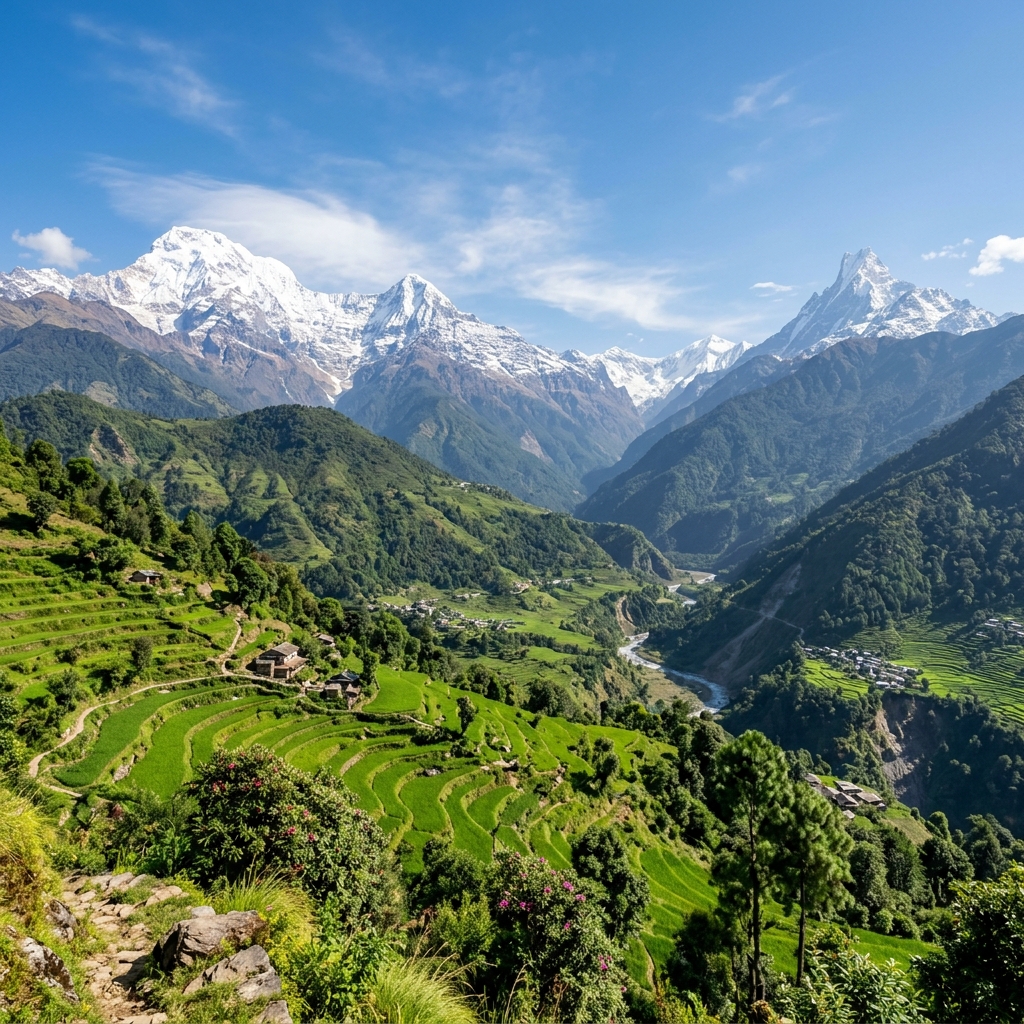
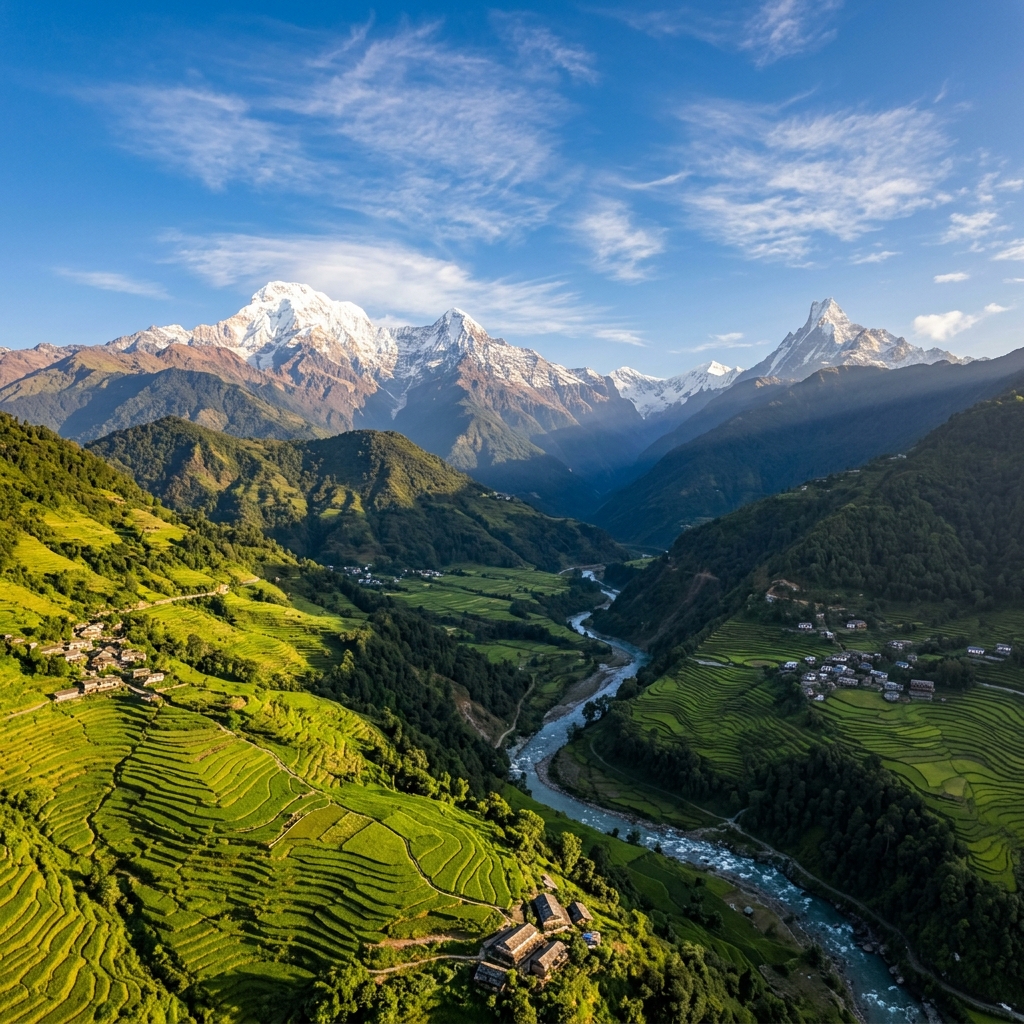
Nepal's most ecologically diverse mountain territory, traversing lush subtropical rhododendron cloud
forests to dry high-alpine passes under the giant 8,000m peaks of Annapurna I and Dhaulagiri.
Thorong La Pass (5,416m Highest Commercial Pass)
Annapurna Sanctuary & Machhapuchhre Amphitheater
Kali Gandaki Gorge (World's Deepest Mountain Gorge)
NATIONAL PARK
4 Documented Routes
Langtang Valley & Helambu
Langtang National Park · Bagmati Province (1,710 km²)
Elevation: 1,400m – 7,227m · Max Trail Pass: 4,984m (Tserko Ri / Laurebina)
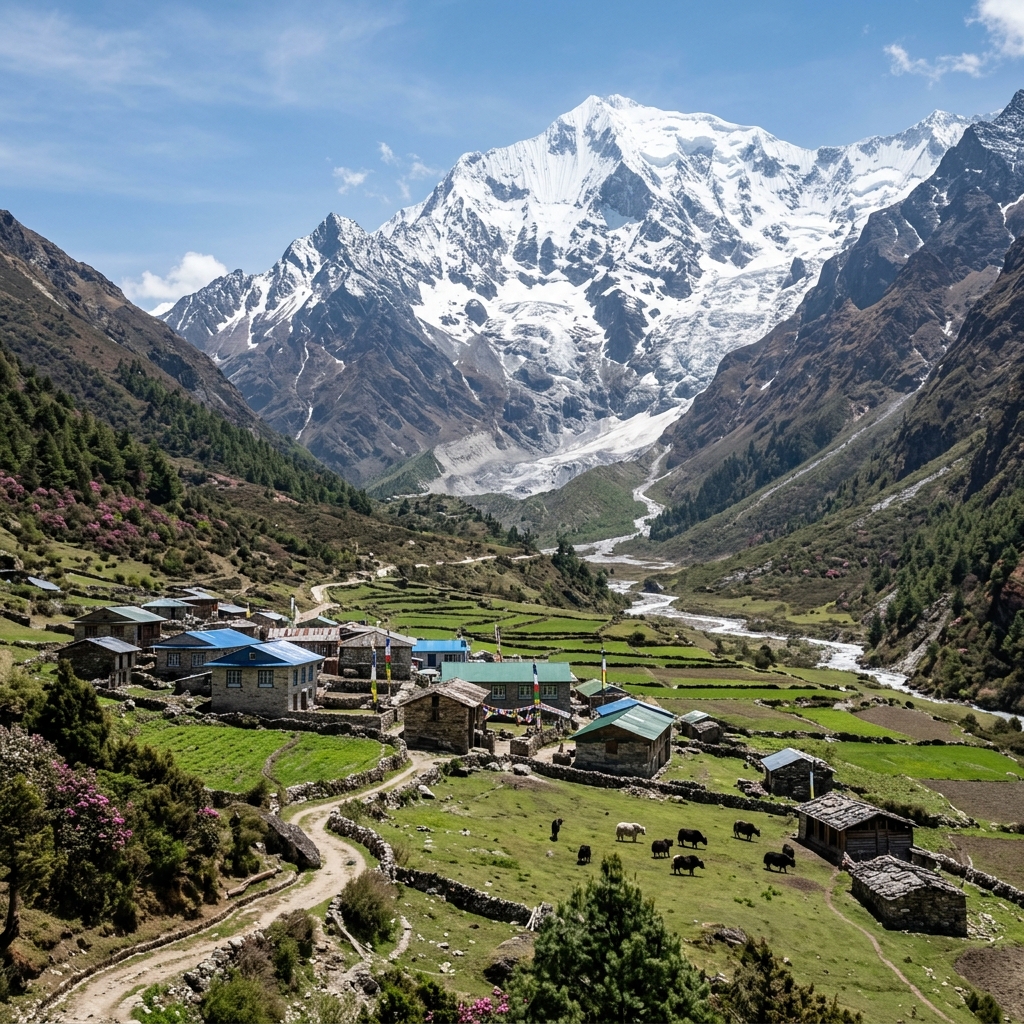
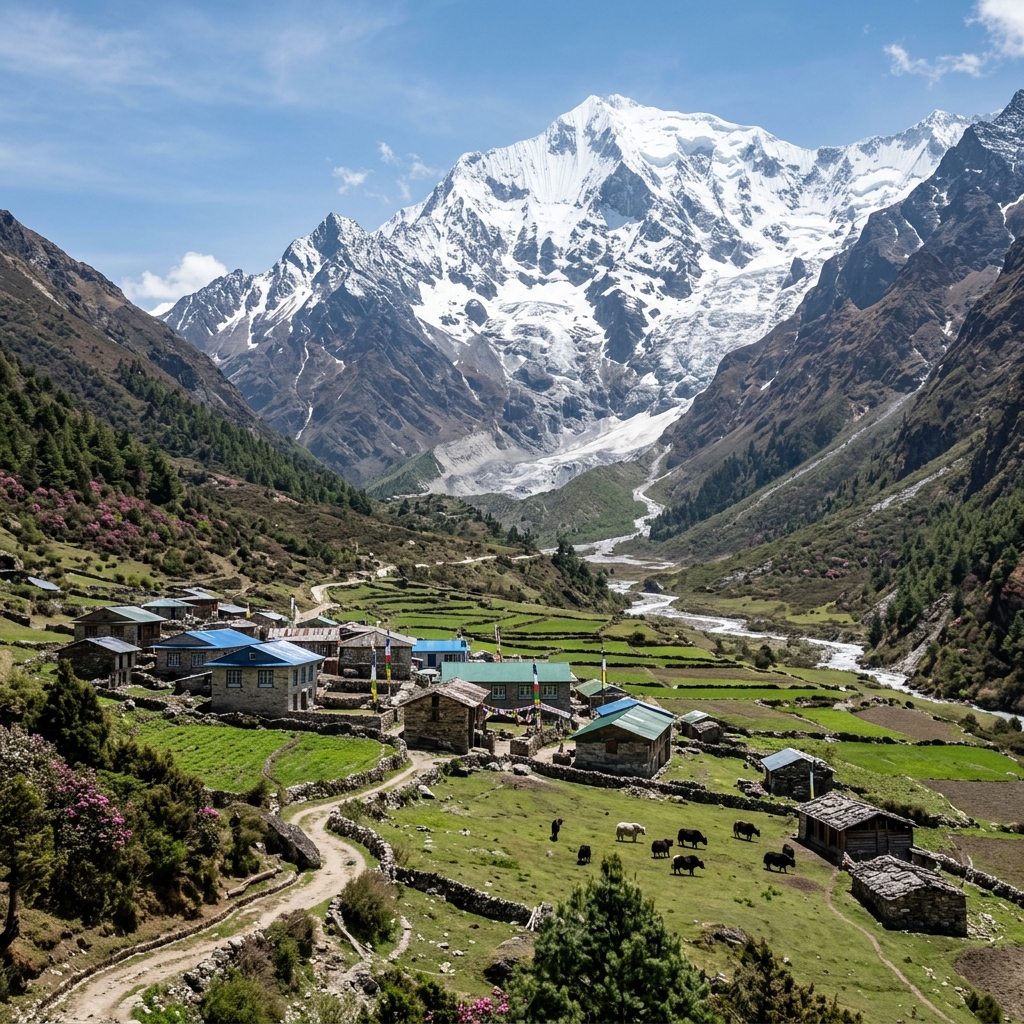
The closest alpine wilderness to Kathmandu. Celebrated for pristine U-shaped glacial valleys,
traditional Tamang yak-herding villages, artisan yak cheese creameries, and sacred alpine pilgrimage lakes.
Manaslu Conservation Area (MCAP) · Gorkha District
Elevation: 710m – 8,163m · Max Trail Pass: 5,106m (Larkya La Pass)
A pristine, low-traffic restricted circuit encircling the world's 8th highest mountain (Mt. Manaslu,
8,163m). Preserves ancient Tibetan culture with dramatic river gorges, high alpine passes, and intact monasteries.
Gateway Access
Drive KTM to Machha Khola (7–8 hrs)
Permits Needed
Special RAP ($100/wk) + MCAP + ACAP
Larkya La Pass (5,106m Majestic High Glacial Crossing)
Sacred Tsum Valley & Ancient Mu Gompa (1895 AD)
Authentic Tibetan Border Settlements (Samagaon & Samdo)
WALLED KINGDOM (RESTRICTED)
3 Documented Routes
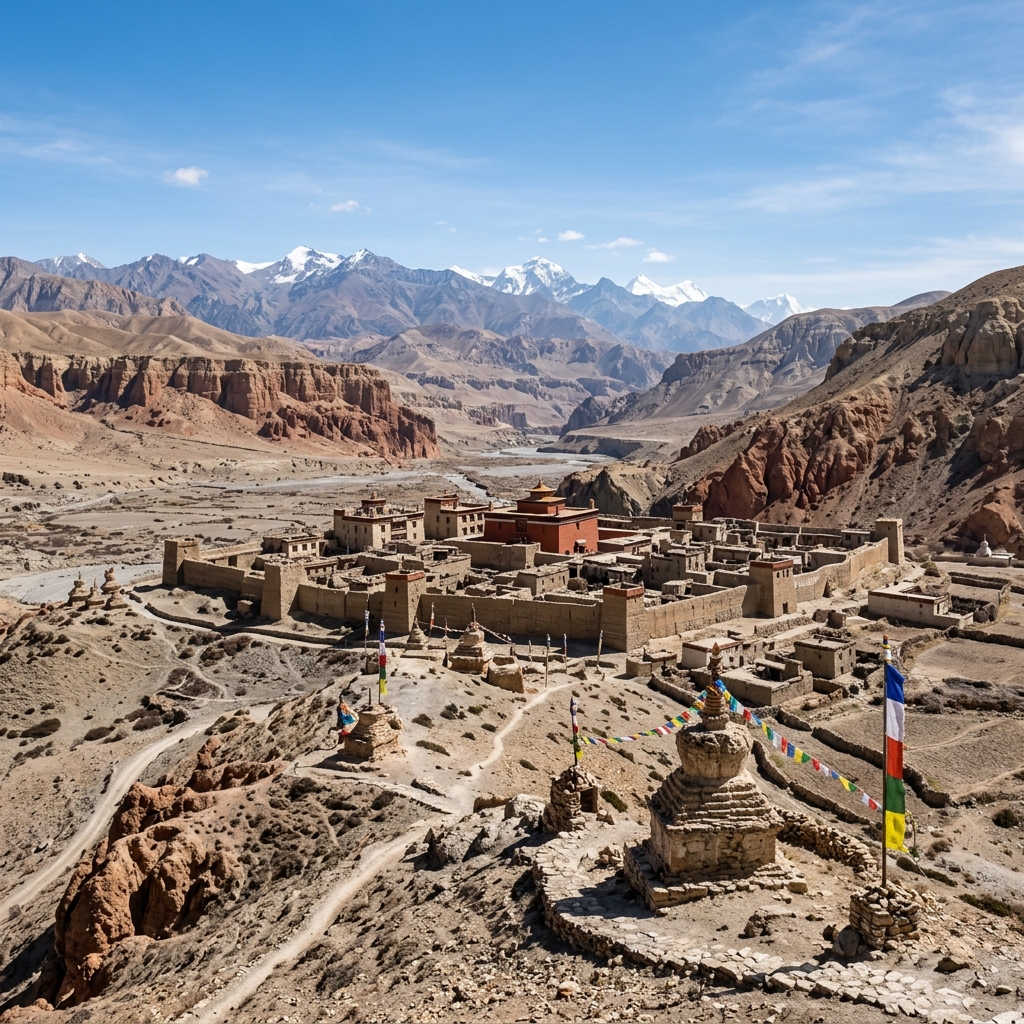
Upper Mustang Kingdom
Trans-Himalayan Rainshadow · Mustang Restricted Zone
Elevation: 2,800m – 3,840m (Lo Manthang) · Trail Passes to 4,200m
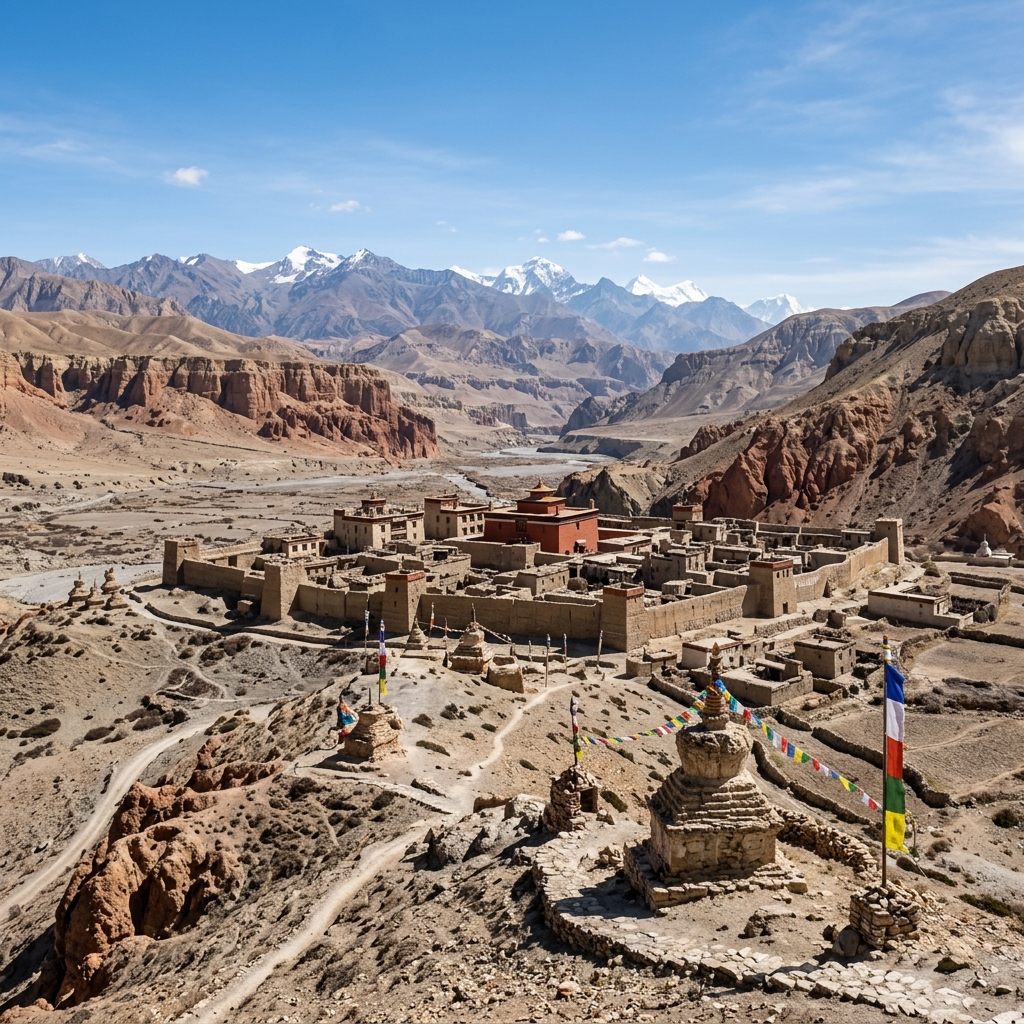
A protected, semi-arid trans-Himalayan Tibetan realm behind the Annapurna-Dhaulagiri rainshadow.
World-famous for the walled city of Lo Manthang, cliffside sky caves, and summer dry-season trekking.
Gateway Access
Fly Pokhara to Jomsom (20m) / 4WD
Permits Needed
Special RAP ($500/10d) + ACAP Permit
Nepal's most isolated and legendary wilderness, immortalized in Peter Matthiessen's 'The Snow Leopard'.
Features the turquoise jewel of Phoksundo Lake, pre-Buddhist Bon po traditions, and absolute solitude.
Gateway Access
Fly Nepalgunj to Juphal Airstrip (35m)
Deep Blue Shey Phoksundo Lake (145m deep, No Fish)
900-Year-Old Shey Gompa (The Crystal Mountain)
Prime Himalayan Snow Leopard & Blue Sheep Sanctuary
RESTRICTED FRONTIER
3 Documented Routes
Kanchenjunga Wilderness
Kanchenjunga Conservation Area · Taplejung (2,035 km²)
Elevation: 1,200m – 8,586m · Max Trail Pass: 5,143m (Pangpema North BC)
A grand, raw expedition guarding the base of the world's 3rd highest peak (Mt. Kanchenjunga, 8,586m).
Dense mossy rhododendron cloud forests give way to massive tumbling glaciers with zero commercial crowds.
An extraordinary ecological paradise wrapping Mt. Makalu (8,485m, 5th highest peak). Famous for the
vertical granite monoliths of Barun Valley, roaring waterfalls, alpine meadows, and serene solitude.
Sheer Granite Face of Mt. Makalu (8,485m 5th Highest Peak)
Over 3,000 Species of Rare Plants & Dense Cloud Forests
Complete Solitude with Zero Commercialized Overcrowding
No Matching Destinations Found
Try clearing your search query or selecting "All Regions" to explore all
Himalayan expeditions.
Find expert answers to common questions about choosing regions, permits, weather, and custom trek planning
in Nepal.
For first-time Himalayan trekkers, we highly recommend the Annapurna Region
(Ghorepani Poon Hill or Mardi Himal) and Langtang Valley. These routes feature
well-established tea house infrastructure, moderate daily walking hours (4–6 hours), and peak
altitudes capped under 4,000m.
Pro Tip:
If you want to experience the Everest region as a beginner, the
Everest View & Tengboche Monastery Trek (7 Days) offers iconic peak views without
high-altitude strain.
Restricted Area Permits (RAP) are special government authorizations required to protect fragile
ecosystems and ancient Tibetan cultural heritage in border zones like Upper Mustang, Manaslu
Circuit, Upper Dolpo, Kanchenjunga, and Nar Phu.
Permit Requirements:
Government rules mandate a licensed local guide and a
minimum group size of 2 trekkers for RAP issuance. Best Treks Nepal handles 100% of paper processing
and fees prior to your arrival.
Yes! Trans-Himalayan rain-shadow regions like Upper Mustang and Upper
Dolpo sit behind the main Himalayan wall, receiving negligible rain during summer. Summer
monsoon (June to August) is actually the absolute prime time to explore these wind-carved desert
plateaus and ancient Mustang villages.
Absolutely! We specialize in tailor-made itineraries. Popular combinations include linking the
Everest Three Passes with Gokyo Lakes or combining the Annapurna Circuit
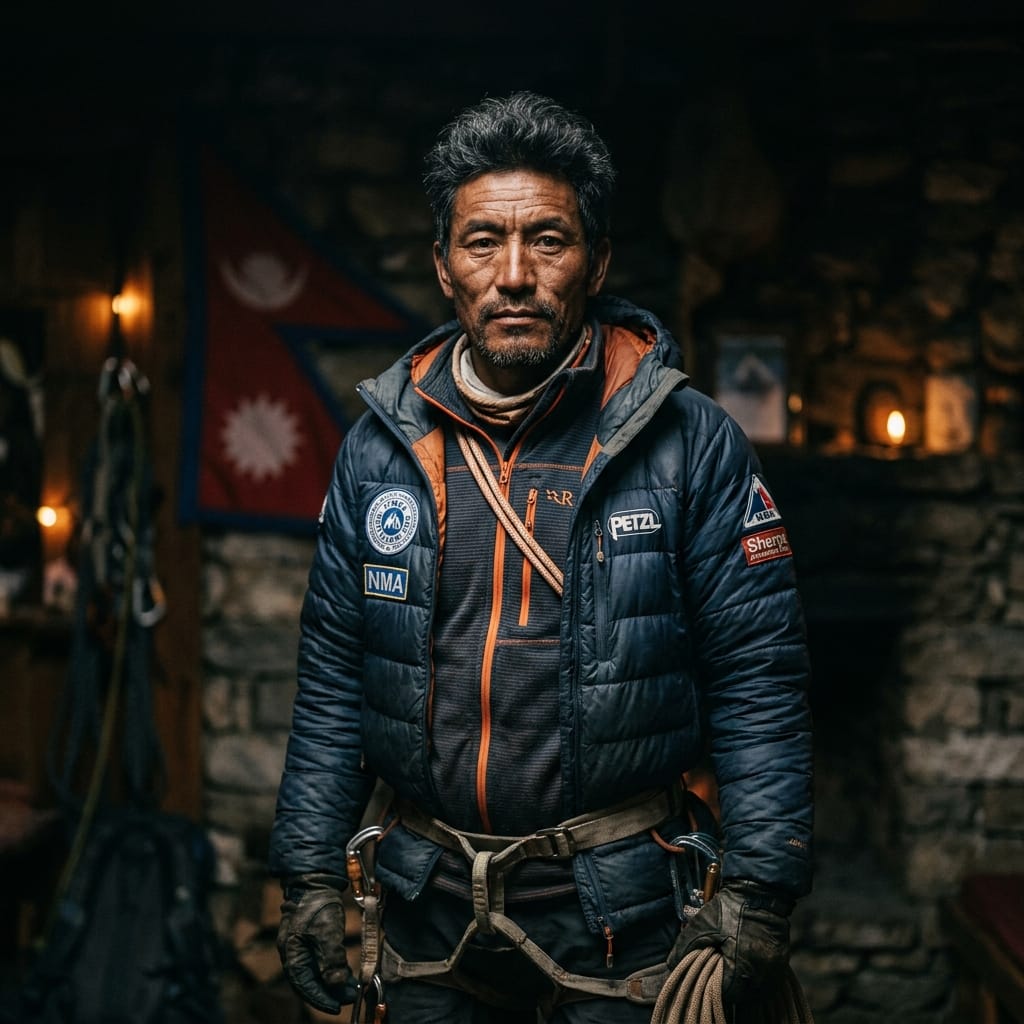
with Upper Mustang. Our Sherpa expedition planners will design exact daily rest stop
schedules matching your personal endurance and timeframe.
For peak seasons (Spring: March–May and Autumn: Sept–Nov), we
recommend booking 3 to 6 months in advance. This ensures confirmed flight slots
into mountain airstrips (like Lukla or Jomsom) and secures top-tier lodge rooms in key stops like
Namche Bazaar and Manang.
Every expedition is equipped with medical Pulse Oximeters for daily oxygen level checks, first-aid
kits, and satellite communication devices in remote regions. All our lead guides are Wilderness
First Aid & High-Altitude Sickness certified with 24/7 helicopter evacuation standby
coordination.
CERTIFIED & TRUSTED
Our Certifications & Trusted Partnerships
We are proud to be recognized by leading organizations and associations that promote responsible, safe, and
sustainable travel.
Travelife Certified
Excellence in sustainability and responsible tourism.
TAAN Member
Official member of Trekking Agencies' Association of Nepal.
NMA Registered
Registered with Nepal Mountaineering Association.
ATTA Member
Member of Adventure Travel Trade Association.
KEEP Member
Committed to responsible environmental practices.
Conservation Partner
Supporting conservation through the ATCF.
Nepal Tourism Board
Officially recognized by Nepal Tourism Board.
Nepal Airlines
Authorized partner of Nepal Airlines.
NATTA Member
Member of Nepal Association of Tour & Travel Agents.



 UNESCO WORLD HERITAGE
6 Documented Routes
UNESCO WORLD HERITAGE
6 Documented Routes