

1. The 2026 Single-Use Plastic Bottled Water Ban & Checkpoints
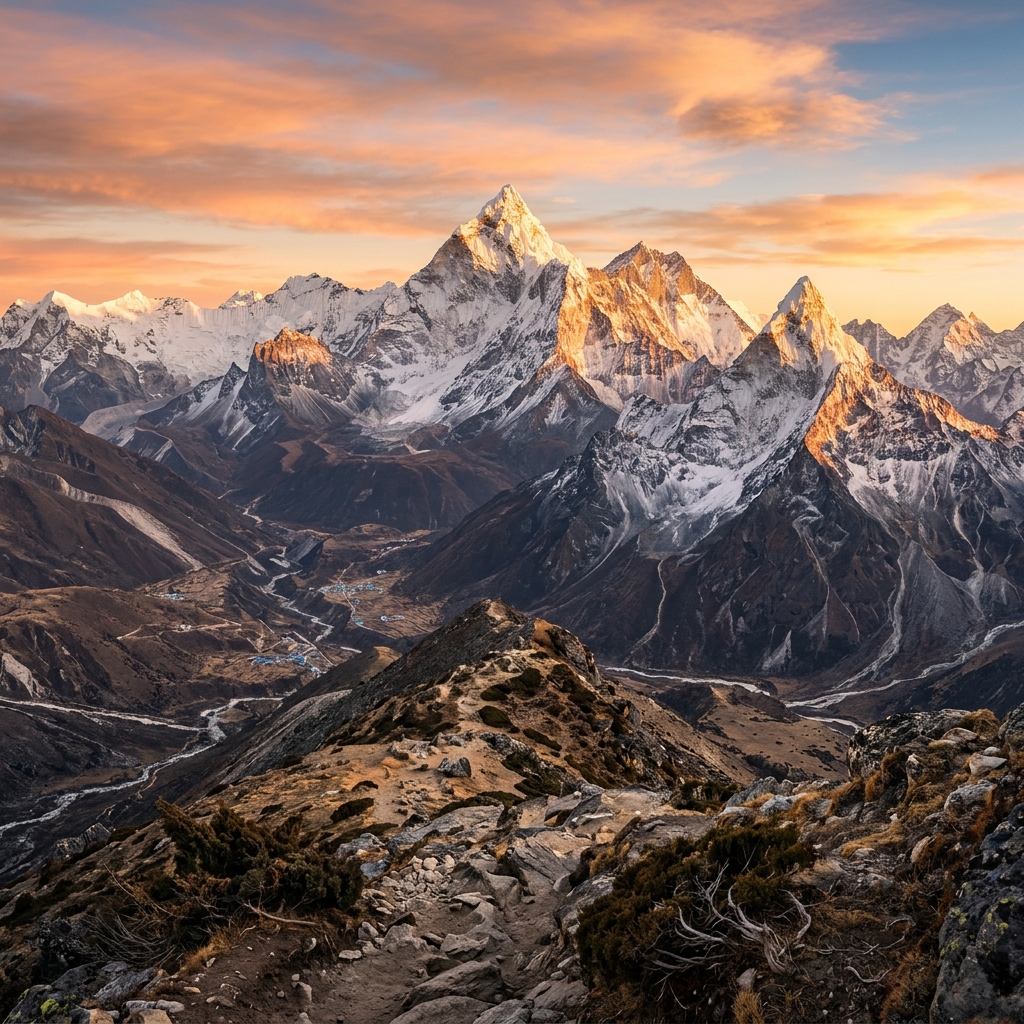
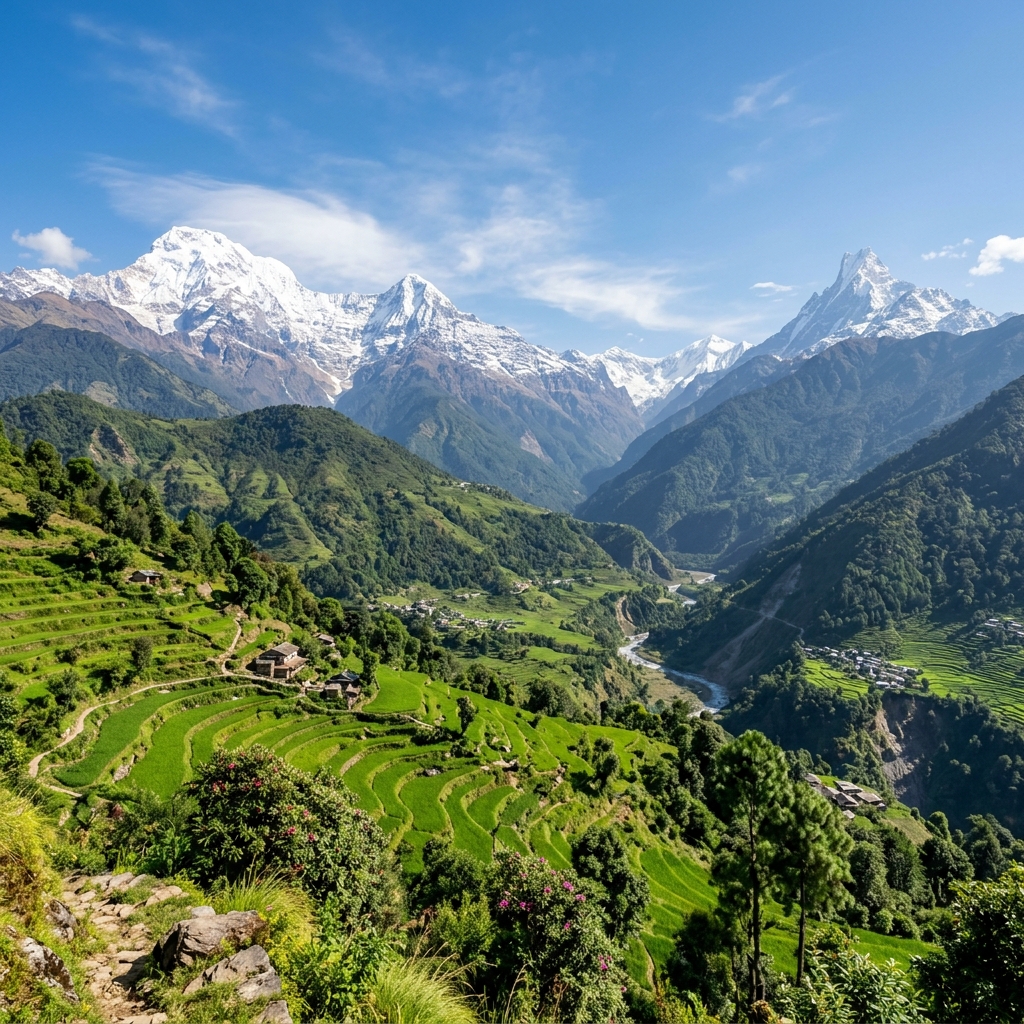
Over the past three decades, growing tourism brought an alarming environmental crisis to Nepal's fragile alpine trails: an estimated 500,000 single-use plastic water bottles were discarded annually across the Everest and Annapurna regions alone.
🚫 The Pasang Lhamu & ACAP Plastic Bans:
In response to this ecological crisis, the Pasang Lhamu Rural Municipality (which governs the entire Khumbu/Everest region from Lukla to Everest Base Camp) implemented a total ban on the sale, importation, and distribution of single-use plastic beverage bottles and plastic bags under 30 microns.
Similar bans are now strictly enforced across the Annapurna Conservation Area Project (ACAP), particularly in sensitive zones like the Annapurna Sanctuary and Upper Mustang. Trekkers carrying commercial single-use plastic mineral water bottles will have them confiscated at park entry checkpoints in Monjo and Birethanti, with fines levied on non-compliant lodges and vendors.
2. The Clean Drinking Water Revolution: UV, Ozone & Micro-Filtration
Trekkers in 2026 no longer need plastic bottles to access 100% safe, pathogen-free Himalayan drinking water. Multiple modern purification systems provide sustainable hydration:
💧 Community Safe Drinking Water Refill Stations
Located in major villages (Namche, Tengboche, Dingboche, Chomrong, Manang), these community-run stations use commercial multistage sand, carbon, and ultraviolet (UV) filtration to deliver pure mineral water for 100–200 NPR per liter into your reusable Nalgene bottle.
⚡ Portable UV Sterilizers (SteriPEN)
Destroys 99.99% of bacteria, viruses, and Giardia cysts in 90 seconds using germicidal ultraviolet light. Requires clear tap water and USB rechargeable lithium batteries.
🧪 Chlorine Dioxide Tablets (Aquatabs / Katadyn Micropur)
The ultimate lightweight, freeze-proof backup. Neutralizes all waterborne pathogens including resistant Cryptosporidium oocysts without leaving unpleasant iodine tastes.
🔬 0.1-Micron Hollow-Fiber Filters (Sawyer Squeeze)
Physically strains micro-plastics, protozoa, and bacteria instantly as you drink. Note: protect filter cartridge inside your sleeping bag at night to prevent freezing below 0°C.
3. High-Altitude Eco-Teahouses: Solar Micro-Grids & Clean Biomass
The high-altitude lodge economy has undergone an extraordinary green energy transition over the last decade:
☀️ Off-Grid Renewable Infrastructure:
Over 85% of teahouses above 3,500m now operate robust solar photovoltaic (PV) micro-grids equipped with lithium-iron-phosphate (LiFePO4) battery storage. These systems power clean LED dining room lighting, bedroom illumination, Wi-Fi routers, and charging hubs without emitting diesel fumes.
In larger settlements like Namche Bazaar and Ghandruk, community-owned micro-hydroelectric plants harness glacial torrents to generate clean alpine power. For hot showers, parabolic solar water heaters capture intense high-altitude sunlight to deliver piping-hot water without burning precious timber.
🪵 Halting Alpine Deforestation: Firewood collection is strictly banned in Sagarmatha and Annapurna national parks. Dining room central stoves burn 100% dried yak dung (a carbon-neutral biomass byproduct of native herds) or clean bio-briquettes, entirely preserving slow-growing juniper and birch forests.
4. Waste Management: The Sagarmatha Pollution Control Committee (SPCC)
How over 250 metric tons of expedition waste is collected, sorted, and flown back to Kathmandu each year:
| Waste Category | Examples | On-Trail Processing | Repatriation Strategy |
|---|---|---|---|
| Burnable Biomass | Paper, cardboard packaging, organic food scraps. | Composted locally or burned in regulated village incinerators. | Zero export required. |
| Non-Burnable Recyclables | Aluminum beer/soda cans, glass bottles, metal tins. | Crushed and compacted in Namche Bazaar SPCC facility. | Flown via empty cargo flights to Kathmandu recycling plants. |
| Hazardous Waste | Lithium batteries, electronics, medical waste, fuel canisters. | Packed into sealed containment drums. | Strict Carry-In / Carry-Out mandate back to Kathmandu. |
| Mountaineering Waste | High camp oxygen bottles, broken tents, fixed ropes. | Weighed at Base Camp SPCC checkpoints. | $4,000–$8,000 Garbage Deposit refunded only upon verification. |
5. Human Ecology & Porter Welfare: The IPPG 5 Golden Rules
Sustainable trekking is not just about garbage; it is fundamentally about the dignified, ethical treatment of the local staff who make Himalayan expeditions possible:
⚖️ Strict 25kg Weight Limit
Best Treks Nepal strictly adheres to the International Porter Protection Group (IPPG) maximum payload of 20kg to 25kg per porter (or 2 client duffel bags @ 10kg–12kg each). We never overload support staff.
🧥 Proper Cold-Weather Gear & Shelter
Every porter is provided with insulated jackets, sturdy trekking boots, UV-400 sunglasses for glacial snow blindness, warm beanies, gloves, and guaranteed indoor lodge bed space with hot meals.
🚁 Equal Medical & Rescue Rights
If a porter becomes ill or shows signs of altitude sickness (AMS, HAPE), they receive the exact same medical evacuation, oxygen therapy, and helicopter rescue coverage as our paying international clients.
💰 Fair Living Wages & Transparent Tipping
We pay above-industry wages, provide comprehensive government insurance, and ensure 100% of tips are distributed transparently directly into the hands of the crew.
6. Interactive Trekker Carbon & Plastic Footprint Calculator Tool
Select your expedition duration and group size to calculate the exact number of plastic bottles saved, carbon emissions avoided, and money saved:
7. The 7 Leave No Trace (LNT) Principles Adapted for High Altitude
Alpine ecosystems above 4,000 meters have virtually zero biological decomposition due to freezing temperatures. Standard outdoor etiquette must be rigorously adapted:
- 1. Plan Ahead & Prepare: Carry reusable wide-mouth bottles, dry bags for your own trash, and certified water purification devices to eliminate packaging waste.
- 2. Travel on Durable Surfaces: Stay strictly on designated stone pathways and rock trails. Stepping off-trail destroys fragile alpine mosses and cushion plants that take 50+ years to regenerate.
- 3. Dispose of Waste Properly (Pack It In, Pack It Out): Never throw energy bar wrappers, wet wipes, or cigarette butts on the trail. Wet wipes contain synthetic plastic polymers and will remain preserved in alpine soil for decades.
- 4. Leave What You Find: Never remove fossilized ammonites (shaligrams) from the Kali Gandaki riverbed, mani stone inscriptions, prayer flags, or rare medicinal alpine plants (like yarsagumba).
- 5. Minimize Campfire Impacts: Never burn wood or shrub juniper. Rely on communal dining hall stoves powered by renewable yak dung.
- 6. Respect Himalayan Wildlife: Observe Himalayan thar, blue sheep, musk deer, and Danphe monals from a distance. Never feed stray dogs in villages, as it fosters unnatural reliance and rabies transmission.
- 7. Be Considerate of Other Visitors & Sacred Customs: Walk clockwise around Buddhist stupas, mani walls, and chortens. Keep drone flying restricted to designated non-sacred zones with proper CAAN permits.
8. 10 Golden Eco-Trekking Rules for Responsible Himalayan Travelers
Filter by category to explore the essential rules for a zero-impact expedition:
Carry Two 1-Liter Insulated Bottles (Nalgene + Thermo)
Fill your bottles with boiled water at night to use as a sleeping bag foot warmer, then drink the clean mineral water the following day.
Never Flush Wet Wipes Down Teahouse Toilets
High-altitude septic tanks freeze and cannot digest wet wipes. Always place used wipes inside a personal zip-top waste bag and deposit in designated trash bins.
Pack Out All Dead Batteries Back to Your Home Country
Nepal lacks industrial recycling facilities for heavy metal lithium batteries. Pack spent power banks and AA batteries home for proper e-waste recycling.
Eat Local 'Dal Bhat' Powered by Regional Farming
Ordering Dal Bhat directly supports local mountain agriculture (lentils, spinach, rice, potatoes) and requires far less packaging and transport emissions than imported canned meats or pasta.
Refuse Disposable Plastic Bags in Kathmandu & Thamel
Carry a compact nylon reusable tote bag when shopping for snacks, maps, and trekking gear in Kathmandu markets.
Use Biodegradable Soaps at Least 50 Meters from Glacial Streams
Glacial torrents provide drinking water for downstream communities. Never wash clothes or brush teeth directly inside riverbeds.
Carry a 20,000mAh High-Density Solar Power Bank
Charging via your own power bank reduces load on fragile lodge solar micro-grids during cold, cloudy high-altitude afternoons.
Buy Authentic Handicrafts from Native Sherpa & Tamang Artisans
Purchasing hand-woven yak wool scarves, mittens, and singing bowls directly supports village women's cooperatives in Khumjung, Dingboche, and Langtang.
Dig 6-Inch Catholes When Caught Between Teahouses
If emergency calls between lodges, bury human waste 15–20cm deep, at least 60 meters away from water sources, and pack out all toilet paper in a zip-lock bag.
Support Village Safe Drinking Water Stations
Station revenue funds local school scholarships, clinic medical supplies, and trail maintenance across Sagarmatha and Annapurna national parks.
9. Frequently Asked Questions (FAQ) About Sustainable Himalayan Trekking
Clear answers to the 10 most common environmental and ethical questions: