
1. The 4-Layer Khumbu Clothing System (-20°C to +20°C)
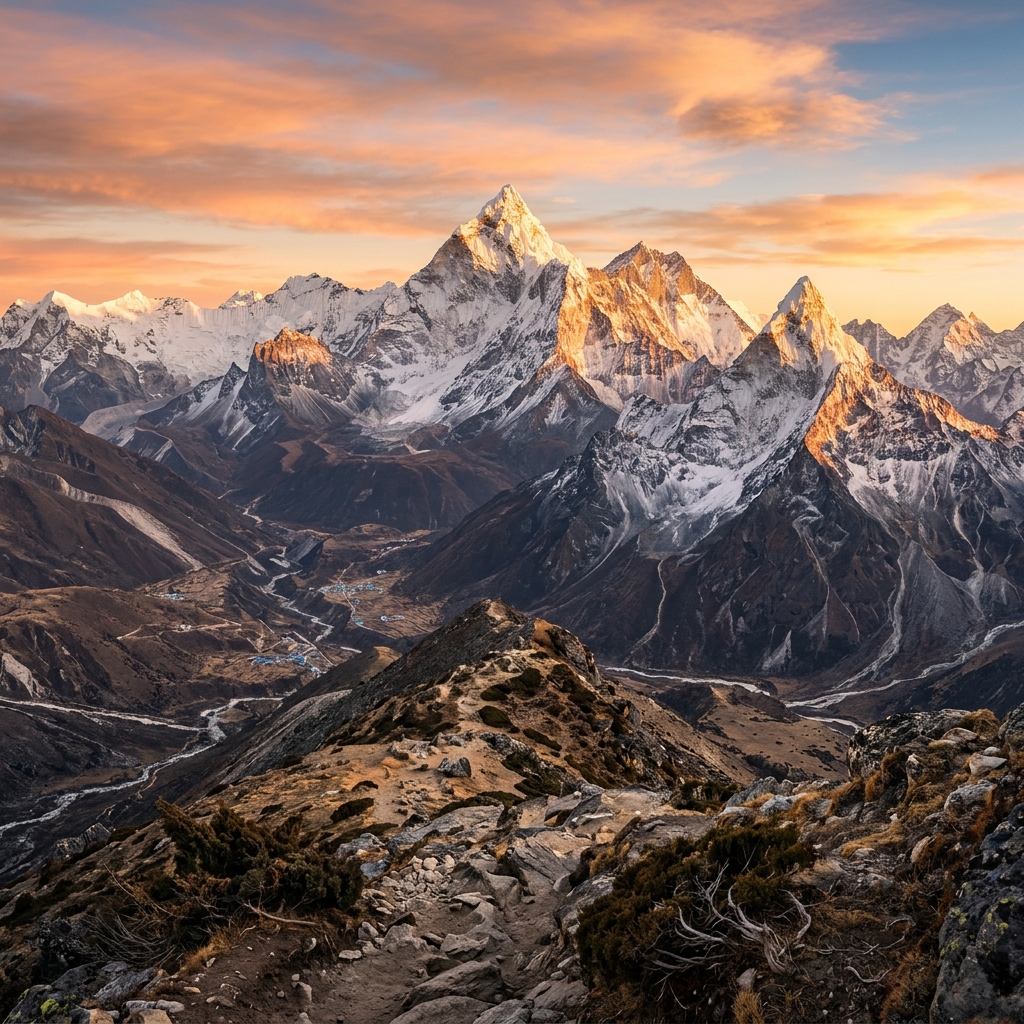
The Everest Base Camp trail spans over 2,700 vertical meters. You will hike through warm, sunny rhododendron forests where a light shirt suffices, and endure -20°C freezing arctic winds at 5:00 AM on Kala Patthar. Dressing properly requires modular technical layering:
1. Moisture-Wicking Merino Wool (200–260 GSM)
Your direct barrier against sweat accumulation. Merino wool wicks moisture efficiently and prevents freezing hypothermia during high-altitude rest stops.
- ✓ Tops: 2x Long-sleeve merino tops (1x 200 GSM for trekking, 1x 260 GSM for sleeping).
- ✓ Bottoms: 2x Merino wool thermal leggings.
- ❌ Strict Rule: ZERO COTTON. Cotton absorbs sweat, stays wet, and leads directly to hypothermia.
2. Breathable Grid Fleece / Polartec Alpha
Traps dead air for warmth while venting moisture during the steep 600m climb up the Namche hill and Thukla pass.
- ✓ Recommendation: Patagonia R1, Mountain Hardwear grid fleece, or Polartec hoodie.
- ✓ Feature: Deep front zip or full zip for instant thermal dumping on ascents.
- ✓ Quantity: 1x Active technical fleece.
3. 800+ Fill Power Baffled Down Parka
Your primary cold-weather survival armor. Put on immediately upon arriving at unheated teahouses and for pre-dawn Kala Patthar ascents.
- ✓ Spec: Box-wall baffled down construction, 800+ fill power with insulated hood (-15°C rated).
- ✓ Weight: 700g–900g total weight.
- ✓ Free Loan: Best Treks Nepal provides complimentary expedition down jackets on all EBC treks.
4. 3-Layer Gore-Tex Pro Hard Shell Jacket
Impenetrable windproof and waterproof barrier against gale-force Khumbu winds, blowing snow, and freezing precipitation.
- ✓ Material: 3-Layer Gore-Tex Pro or eVent membrane (28,000mm waterproof rating).
- ✓ Features: Underarm pit-zips, fully taped seams, adjustable hood over beanies.
- ✓ Pants: Pack matching lightweight waterproof rain/wind pants with full side zips.
2. Footwear & Moraine Traction for the Khumbu Glacier
The trail between Lobuche (4,940m), Gorak Shep (5,164m), and Everest Base Camp traverses active glacial lateral moraine—a chaotic landscape of loose granite boulders, sharp scree, and hidden ice patches:
| Footwear Item | Technical Specifications | EBC Trail Specific Advice |
|---|---|---|
| Trekking Boots (Primary) | Mid-to-high cut, Gore-Tex waterproof membrane, Vibram rubber lugs, reinforced rubber toe-rand. | MUST BE FULLY BROKEN IN: Break them in for 40–50 km before flying to Nepal. Trail runners are risky on the rough Lobuche–EBC moraine. |
| Microspikes / Traction Cleats | Elastomer rubber harness with 1/2-inch stainless steel spikes (Kahtoola / Black Diamond). | MANDATORY: Required for the icy pre-dawn ascent of Kala Patthar (5,545m) and frozen river crossings. Buy in Thamel for $15. |
| Camp Shoes / Down Booties | Cushioned Crocs, lightweight sneakers, or down-filled insulated teahouse slippers. | Teahouse floors in Gorak Shep are freezing cold concrete or wood. Essential for letting your feet dry and recover each evening. |
| Merino Trekking Socks (4 Pairs) | 70%+ Merino wool (Darn Tough / Smartwool), full cushion with reinforced heel and toe. | Rotate 2 pairs while trekking, keep 1 clean pair exclusively for sleeping inside your sleeping bag. |
| Anti-Blister Sock Liners (2 Pairs) | Ultra-thin synthetic CoolMax or silk liner socks. | Worn beneath thick merino socks. Liner socks absorb friction shear against the boot, eliminating 90% of blister hot spots. |
3. Khumbu Cough Defense & Essential Medical Kit
Above Namche Bazaar (3,440m), the air contains less than 65% barometric oxygen and is exceptionally dry and dusty from yak caravans. Inhaling dry freezing air causes the notorious "Khumbu Cough" (high-altitude bronchitis):
😷 Khumbu Cough Prevention Kit
- ✓ Buff / Neck Gaiter (2x): Wear over mouth and nose at all times above 3,500m to pre-warm and humidify inhaled air.
- ✓ Saline Nasal Spray: Use 3–4 times daily to prevent dry mucosal cracking and nosebleeds.
- ✓ Antiseptic Throat Lozenges (Strepsils): Pack 2–3 packs to soothe throat irritation.
- ✓ Hot Lemon Honey Ginger Tea: Drink 1.5L of warm fluids every evening at teahouses.
💊 Personal Prescription & First Aid
- ✓ Diamox (Acetazolamide): 125mg–250mg BID for altitude acclimatization (consult your doctor).
- ✓ Ibuprofen (400mg): For tension headaches and muscular inflammation.
- ✓ Broad-Spectrum Antibiotics: Azithromycin (for chest infections) & Ciprofloxacin (for bacterial diarrhea).
- ✓ Blister Kit: Leukotape P, Compeed hydrocolloid dressings, and alcohol wipes.
4. Complete Itemized Everest Base Camp Gear Breakdown
The master equipment list organized into 4 critical expedition modules:
1. 🕶️ Extremity Warmth & Eye Protection
- ✓ Glacier Sunglasses (Cat 3 or 4): 100% UV protection with side shields to prevent severe snow blindness.
- ✓ Thermal Merino Beanie: Snug fleece or wool hat covering ears completely.
- ✓ Wide-Brim Sun Hat: For high UV exposure in lower valleys.
- ✓ Liner Gloves (1 Pair): Touchscreen-compatible thin thermal gloves.
- ✓ Heavy Down / PrimaLoft Summit Mitts (1 Pair): Windproof insulated mittens for Kala Patthar morning.
2. 🛏️ Teahouse Sleeping & Camp Comfort
- ✓ -15°C to -20°C Down Sleeping Bag: 4-season mummy bag (provided free by Best Treks).
- ✓ Silk / Fleece Sleeping Bag Liner: Adds +3°C to +5°C warmth and maintains hygiene.
- ✓ Headlamp (300+ Lumens): With spare lithium AAA batteries for 4:30 AM Kala Patthar hike.
- ✓ Silicone Earplugs & Eye Mask: Essential for blocking snoring and barking dogs in plywood rooms.
- ✓ Inflatable Camping Pillow: Compact packable travel pillow.
3. 💧 Hydration & Water Filtration
- ✓ 2x 1L Nalgene Wide-Mouth Bottles: Heat-resistant plastic used as hot water bed warmers.
- ✓ 2x Insulated Bottle Parkas: Prevents water from freezing into solid ice above Dingboche.
- ✓ Sawyer Squeeze / Katadyn BeFree: Rapid hollow-fiber trail water filtration.
- ✓ Aquatabs / Chlorine Dioxide Tabs: Chemical purification backup.
- ✓ Electrolyte Powder Packets: Replaces salts lost during 6–7 hours of daily uphill hiking.
4. 🔋 Cold Power & Electronics
- ✓ 20,000 mAh Power Bank (Anker / Nitecore): Recharges phone 4–5 times (teahouse charging costs $5–$8).
- ✓ 2–3 Spare Camera Batteries: Cold temperatures drain lithium camera cells rapidly.
- ✓ Universal Plug Adapter: Type C / D / M pin compatible.
- ✓ Insulated Tech Pouch: Store devices inside your sleeping bag at night to preserve battery life.
- ✓ Offline Trail Maps (Gaia GPS / Maps.me): Download full Khumbu region offline.
5. What to Leave at Home: 7 Common EBC Packing Mistakes
With the strict 15kg Lukla weight cap, every unnecessary gram forces you to pay excess baggage fees or leave vital cold-weather gear behind. Leave these 7 items at home:
1. ❌ Hard Rolling Suitcases
Porters and yaks cannot carry rigid suitcases. Use a flexible 90L waterproof duffel bag.
2. ❌ Cotton Jeans & Heavy Sweaters
Cotton absorbs sweat and takes days to dry. Pack lightweight synthetic or merino wool.
3. ❌ Hairdryers & Heavy Toiletries
Teahouse bedrooms lack electrical outlets. Pack biodegradable wet wipes and dry shampoo.
4. ❌ Bulky Cotton Bath Towels
Cotton towels will freeze solid in unheated rooms. Bring an ultra-compact microfiber towel.
5. ❌ Heavy Solar Panels
Hanging solar panels from packs generates almost zero power due to canyon shadows. Bring a power bank.
6. ❌ 14 Sets of Daily Clothes
Merino wool naturally resists odor for 3–4 days. You only need 2–3 trekking shirts for the entire trek.
7. ❌ Heavy Mountaineering Crampons
Standard EBC does not require rigid climbing crampons. Pack lightweight flexible microspikes.
6. Interactive 36-Point Everest Base Camp Packing Checklist
Check off your gear as you pack. Your progress is saved automatically in your browser:
7. The Lukla 15kg Flight Weight Allocation Strategy
Flights to Tenzing-Hillary Airport (Lukla) strictly enforce a 15 kg (33 lbs) weight limit per passenger due to high-altitude runway physics:
Carried by Your Sherpa Porter
Checked at the airport and handed to your porter each morning. You will only access this bag at your evening teahouse.
- ✓ -15°C Down sleeping bag & silk liner
- ✓ Spare merino base layers, socks & underwear
- ✓ Teahouse down slippers & dry evening warm fleece
- ✓ Bulk medical supplies, wash kit & microfiber towel
Hand-Carried by You
Kept with you in the aircraft cabin and on your back during daily 6–7 hour trekking stages.
- ✓ 2L Drinking water + Sawyer water filter
- ✓ 3-Layer Gore-Tex hard shell rain/wind jacket
- ✓ 800-Fill down jacket (packed at top of bag)
- ✓ Passport, cash, permits, camera, phone & power bank
- ✓ Glacier sunglasses, sun hat, sunscreen & blister kit
💡 Airport Weight Hack:
Wear your heaviest trekking boots, softshell trekking pants, and fleece hoodie when stepping on the check-in scale at Tribhuvan Airport / Ramechhap Airport. You can also slip your heavy power bank and camera into your jacket pockets (worn items are not weighed).
8. 10 Uncensored EBC Gear Secrets from 14x Expedition Sherpas
Filter by category to explore real-world high-altitude field hacks:
The Hot Nalgene Radiator in Gorak Shep
Teahouse rooms in Gorak Shep (5,164m) hit -15°C at night. Pay 300 NPR ($2.50) for boiling water in your 1L Nalgene at dinner, slip a thick sock over it, and place it at the foot of your sleeping bag. It radiates warmth for 6+ hours and provides sterile drinking water by morning.
Microspikes for the Kala Patthar Ascent
The 4:30 AM climb up Kala Patthar (5,545m) is bitterly cold and features wind-scoured black ice over slick granite boulders. Trekkers with slip-on microspikes ascend effortlessly, while those in standard boots slip and expend double the energy.
Never Leave Phone on Teahouse Nightstand
Sub-zero indoor temperatures cause lithium battery voltage to plummet instantly. Keep your smartphone, camera batteries, and power bank in an insulated pouch inside the chest pocket of your sleeping bag every single night.
Buff Positioning: Never Trek with an Exposed Mouth
Breathing dry, sub-zero air directly through your mouth dries your bronchial lining within 2 days. Keeping a lightweight merino buff pulled over your nose and mouth acts as a natural heat-and-moisture exchanger.
Trekking Pole Baskets: Switch to Snow Baskets
Between Dingboche and Everest Base Camp, small mud baskets easily get jammed between sharp moraine rocks, snapping pole tips. Larger snow baskets prevent poles from wedging into deep boulder gaps.
Use the Teahouse Quilt Over Your Sleeping Bag
Every teahouse provides a heavy cotton quilt. Do NOT sleep directly under it (they are rarely washed). Instead, get inside your -15°C down sleeping bag, and drape the teahouse quilt over the top to trap additional thermal air.
Zinc Oxide Sunscreen for Glacial Reflection
At 5,300m on the Khumbu glacier, UV radiation is 60% stronger than at sea level, reflecting upwards off snow and white granite. Apply mineral Zinc Oxide SPF 50+ to the underside of your nose, chin, and ears to prevent blistering burns.
Buy Charging Early in the Afternoon
Teahouses charge by the hour or device ($5–$8). In high camps, solar batteries run out of power after 8:00 PM. Hand your power bank to the teahouse host right when you arrive at 3:00 PM when solar generators are at full output.
Double-Lace Your Boots Before the Namche & Thukla Climbs
Steep ascents cause heel slippage, while steep descents (dropping from Tengboche or Kala Patthar) jam toes against the front toe-box. Use a "heel-lock" lacing knot to anchor your heel firmly into the boot cup.
Pre-Warm Morning Clothes Inside Your Bag
Putting on freezing cold merino base layers at 5:00 AM in a -12°C room shocks your body. Stuff your thermal top and socks into the foot of your sleeping bag 20 minutes before waking up.
9. Frequently Asked Questions (FAQ) About EBC Packing
Expert answers to the top 10 questions asked by Everest Base Camp trekkers: