
1. The Physiology of Altitude: Hypobaric Hypoxia & The Oxygen Depletion Curve
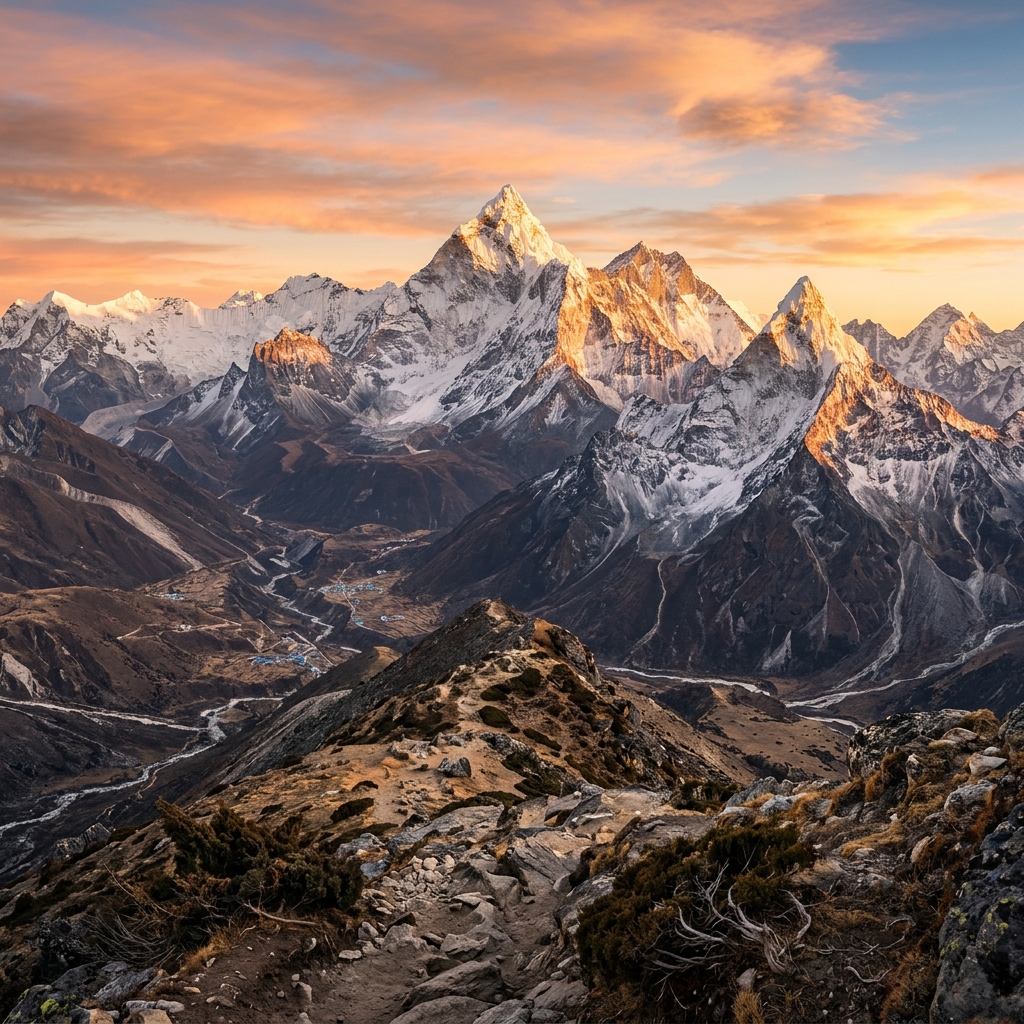
The percentage of oxygen in the atmosphere remains constant at 20.9% everywhere on Earth. However, as you climb in the Himalayas, atmospheric barometric pressure drops exponentially. At Everest Base Camp (5,364m), barometric pressure is roughly half of sea level pressure (380 mmHg vs. 760 mmHg), meaning every breath delivers exactly 50% fewer oxygen molecules into your bloodstream.
| Himalayan Location & Hub | Altitude (Meters / Feet) | Barometric Pressure (mmHg) | Effective Oxygen vs. Sea Level | Normal Resting SpO2 Range |
|---|---|---|---|---|
| Kathmandu Valley | 1,400m / 4,593ft | 640 mmHg | 85% | 96% – 99% |
| Lukla Airport (EBC Entry) | 2,840m / 9,317ft | 545 mmHg | 72% | 90% – 94% |
| Namche Bazaar (Sherpa Capital) | 3,440m / 11,286ft | 505 mmHg | 67% | 86% – 91% |
| Dingboche / Manang Village | 4,410m / 14,468ft | 445 mmHg | 59% | 80% – 86% |
| Gorak Shep & Everest Base Camp | 5,164m – 5,364m | 400 mmHg | 53% | 74% – 82% |
| Kala Patthar Summit / Thorong La | 5,416m – 5,545m | 385 mmHg | 50% (Half of Sea Level) | 70% – 78% |
| Mount Everest Summit | 8,848.86m / 29,031ft | 253 mmHg | 33% (Death Zone) | 50% – 65% (Supplementary O2) |
🧠 How Your Body Adapts to Hypoxia (The Acclimatization Cascade):
Within minutes of ascending, your carotid chemoreceptors detect low arterial oxygen (PaO2), triggering hyperventilation (breathing deeper and faster). This blows off excess carbon dioxide (CO2), causing respiratory alkalosis. Over the next 48 to 72 hours, your kidneys excrete bicarbonate in urine to normalize blood pH, allowing you to breathe heavily without suppression. Simultaneously, your kidneys release erythropoietin (EPO), signaling bone marrow to manufacture millions of new oxygen-carrying red blood cells.
2. The 3 Altitudinal Pathologies: AMS vs. HAPE vs. HACE
High-altitude illness is classified into three distinct syndromes. Recognizing the difference between benign mountain sickness and life-threatening medical emergencies is vital:
1. Acute Mountain Sickness (AMS)
The body's initial physiological protest against rapid ascent. Similar to a severe hangover combined with exhaustion.
- 🤕 Throbbing headache (usually frontal or bitemporal)
- 🤢 Nausea, poor appetite, vomiting
- 🥱 Fatigue, lethargy, lightheadedness
- 😴 Disturbed sleep with periodic breathing
2. High Altitude Pulmonary Edema (HAPE)
High pulmonary artery pressure causes capillaries to rupture, leaking fluid directly into the lung alveoli (suffocation from within).
- 🫁 Extreme breathlessness at complete rest
- 🗣️ Persistent dry cough progressing to pink frothy sputum
- 🔊 Rattling, gurgling chest sounds (rales)
- 🫐 Cyanosis (blue/grey lips and fingernails)
- 📉 SpO2 drops severely below 60%
3. High Altitude Cerebral Edema (HACE)
Hypoxia causes brain blood vessels to dilate and leak fluid, leading to intracranial pressure and brain swelling.
- 🚶♂️ Ataxia (loss of coordination / drunken stagger)
- 🧠 Severe confusion, irrational behavior, memory loss
- 😵 Hallucinations, extreme drowsiness, stupor
- 👀 Blurred vision, retinal hemorrhages
- 💤 Coma and respiratory failure if untreated
3. Interactive 2018 Lake Louise AMS Self-Assessment Scorecard
The gold-standard international diagnostic metric used by Himalayan physicians and expedition leaders. Select your current symptoms:
You are acclimatizing well. You are safe to continue your scheduled ascent according to standard acclimatization rest days.
4. The 6 Golden Rules of Himalayan Acclimatization
Acclimatization is an active biological process that requires strict pacing, adequate hydration, and adherence to proven rules:
1. Climb High, Sleep Low (Aichele Rule)
During afternoon acclimatization hikes, ascend 300m–500m higher than your sleeping lodge (e.g. hiking to Everest View Hotel at 3,880m from Namche Bazaar at 3,440m) before returning down to sleep. This stimulates EPO production while you rest at lower, safer altitudes.
2. Max 300m–500m Sleeping Gain Daily Above 3,000m
Once above 3,000m (Namche/Manang), limit your net sleeping altitude increase to no more than 500 vertical meters every 24 hours. Exceeding this rate increases acute AMS incidence by over 70%.
3. Schedule a Rest Day Every 3–4 Days
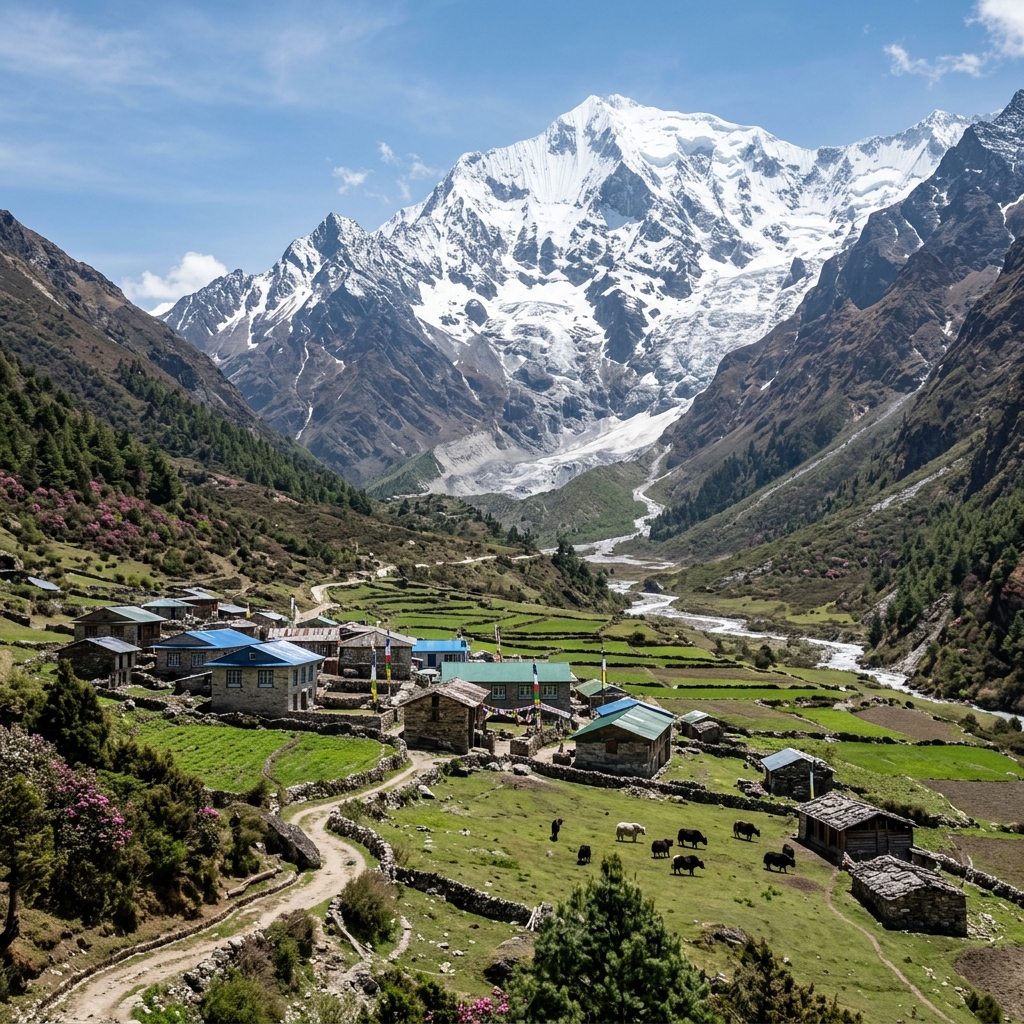
Never skip planned rest days in traditional acclimatization hubs (Namche Bazaar 3,440m, Dingboche 4,410m, Manang 3,540m, Sama Gaun 3,530m). These rest periods allow your kidneys to adjust blood pH balance.
4. Drink 3.5 to 4.5 Liters of Fluids Daily
High altitude air is extremely dry, and hyperventilation strips moisture from your lungs at triple the normal rate. Drink warm garlic soup, lemon ginger tea, and purified water. Check your urine: it should be pale, clear, and voluminous.
5. Zero Alcohol, Tobacco & Sleeping Pills
Alcohol and sleeping medications (benzodiazepines) act as respiratory depressants, worsening nighttime hypoxia and causing dangerous SpO2 crashes during sleep.
6. If Symptoms Worsen, Descend Immediately
Never ascend with symptoms of AMS. If headaches, vomiting, or breathlessness worsen despite rest and medication, descending even 300m to 500m reverses symptoms within hours and saves lives.
5. High-Altitude Pharmacology: Diamox, Dexamethasone & Nifedipine
Medical protocols and dosage guidelines established by the Wilderness Medical Society (WMS):
| Medication Name | Clinical Purpose | Standard Dosing Protocol | Common Side Effects & Contraindications |
|---|---|---|---|
| Acetazolamide (Diamox) | AMS Prophylaxis & Treatment (Accelerates natural acclimatization) | 125 mg to 250 mg orally BID (twice daily), starting 24h before ascending above 2,800m. | Tingling in fingers/toes (paresthesia), frequent urination, carbonated drinks taste flat. Contraindicated in Sulfa allergy. |
| Dexamethasone (Decadron) | HACE Emergency Treatment (Reduces brain swelling) | 8 mg oral/IM initial loading dose, followed by 4 mg every 6 hours until descent is complete. | Euphoria, insomnia, GI irritation. Used strictly as an emergency rescue bridge to descent. |
| Nifedipine (Adalat) | HAPE Emergency Treatment (Reduces pulmonary arterial pressure) | 20 mg to 30 mg extended-release (ER) orally every 12 hours. | Hypotension (dizziness upon standing), facial flushing, rapid heart rate. |
| Ibuprofen (Advil / Brufen) | High-Altitude Headache & Mild AMS Relief | 400 mg to 600 mg orally every 8 hours with food. | Mild stomach irritation. Superior to Paracetamol for altitude-induced neuro-inflammation. |
6. Pulse Oximetry (SpO2) Field Diagnostics & Daily Logging
Best Treks Nepal expedition leaders carry clinical pulse oximeters to conduct mandatory twice-daily health checks (morning and evening) in the teahouse dining hall:
📊 How to Get Accurate Oximeter Readings:
- ✓ Warm your hands first: Freezing fingers cause vasoconstriction, giving false readings under 50%. Rub hands for 60 seconds.
- ✓ Rest for 5 minutes: Sit calmly; never test immediately after dropping your heavy backpack.
- ✓ Remove dark nail polish: Dark enamel blocks infrared light sensor transmission.
🚨 Red Flag SpO2 Warning Triggers:
- ⚠️ SpO2 < 70% at 3,500m–4,500m: Severe hypoxia alert; monitor hourly and administer oxygen.
- ⚠️ Resting Heart Rate > 115 bpm: Cardiovascular compensation strain.
- ⚠️ SpO2 Drops > 12% in 24 Hours: Acclimatization failure; descent mandated.
7. 10 Uncensored Altitude Secrets Most Guides Don't Explain
Filter by category to explore clinical realities from our high-altitude medical directors:
Diamox Does NOT "Mask" Altitude Symptoms
A dangerous myth claims Diamox hides symptoms until you suddenly collapse. In reality, Diamox actively cures hypoxia by forcing the kidneys to acidify blood, driving your brain to breathe deeper 24/7. It accelerates true acclimatization.
Cheyne-Stokes "Periodic Breathing" at Night is Normal
Trekkers often wake gasping in terror at night above 4,000m. This is Cheyne-Stokes breathing: in deep sleep, low CO2 causes temporary apnea (breathing pauses), followed by deep recovery gasps. Diamox eliminates this nighttime symptom.
Athletic Fitness Does Not Prevent AMS
Elite marathoners and CrossFit champions frequently suffer AMS worse than couch potatoes because their high baseline pace leads them to ascend too fast without realizing the hypoxic strain on their physiology.
Garlic Soup Really Works as a Mild Vasodilator
Sherpa tradition advocates hot garlic soup across the Khumbu. Garlic contains allicin, a natural compound that promotes nitric oxide synthesis, mildly dilating pulmonary blood vessels and aiding circulation.
The "Khumbu Cough" is High Altitude Bronchitis
Dry sub-zero air strips moisture from bronchial membranes, causing violent coughing that can crack ribs. Always wear a buff or merino face mask over your nose and mouth above 3,500m to humidify incoming air.
Helicopters Cannot Fly in Afternoon Cloud Inversions
Mountain valleys regularly cloud over by 1:00 PM. If a trekker deteriorates in the afternoon, helicopter evacuation is impossible until the following dawn. You must begin immediate manual porter/horse descent without waiting.
Sleep with Your Head Elevated
Propping your upper torso up on extra pillows reduces intracranial and pulmonary capillary pressure during the night, easing morning headaches and nausea.
Test Diamox at Home Before Travelling
Take a single 125mg tablet of Diamox at home 2 weeks before your flight to confirm you have no adverse allergic reaction, severe tingling, or gastrointestinal intolerance.
Carbohydrates Require 10% Less Oxygen to Digest
Carbohydrates (rice, potatoes, pasta) require less oxygen per mole of ATP generated than fats and proteins. High-carb eating directly boosts your altitude stamina.
Always Carry an Insurance Policy Copy in Your Daypack
In an emergency, helicopter companies demand insurance policy numbers and claim contact details before launching from Kathmandu. Keep a physical printed copy in your daypack.
8. The 5-Step Emergency Helicopter Rescue Protocol in Nepal
When severe HAPE or HACE strikes, minutes matter. Here is how Best Treks Nepal orchestrates seamless life-saving emergency evacuations:
Clinical Triage
Lead guide confirms ataxia/HAPE rales & administers oxygen + dexamethasone.
Satellite Dispatch
Guide transmits GPS coordinates to Kathmandu 24/7 Operations Desk via satellite.
Insurance Clearance
Operations team initiates emergency guarantee of payment with your insurer.
Helipad Landing
Helicopter lands at high-altitude LZ; patient loaded with medical escort.
Hospital Admission
Ambulance transfers patient directly to CIWEC Hospital Kathmandu for hyperbaric care.
9. Frequently Asked Questions (FAQ) About Altitude Sickness in Nepal
Clear clinical answers to the most urgent altitude safety questions: