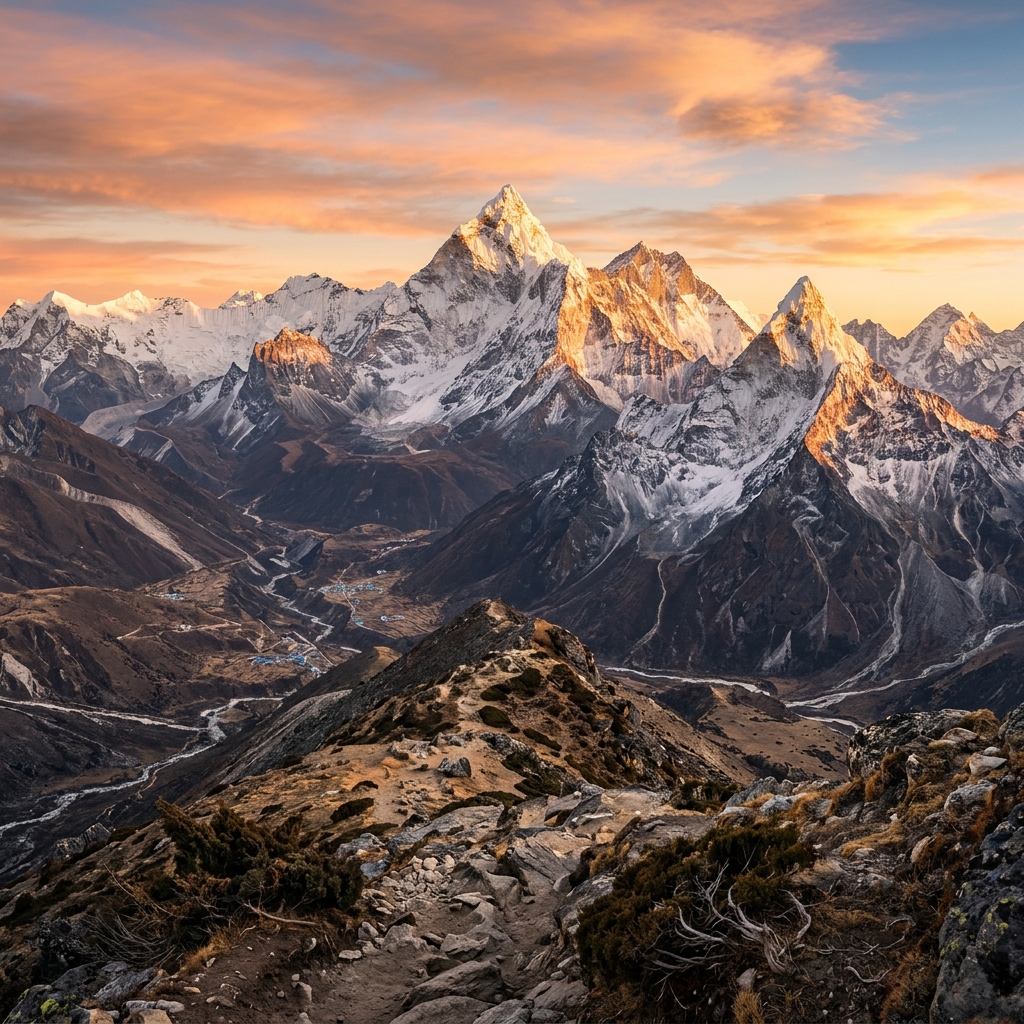
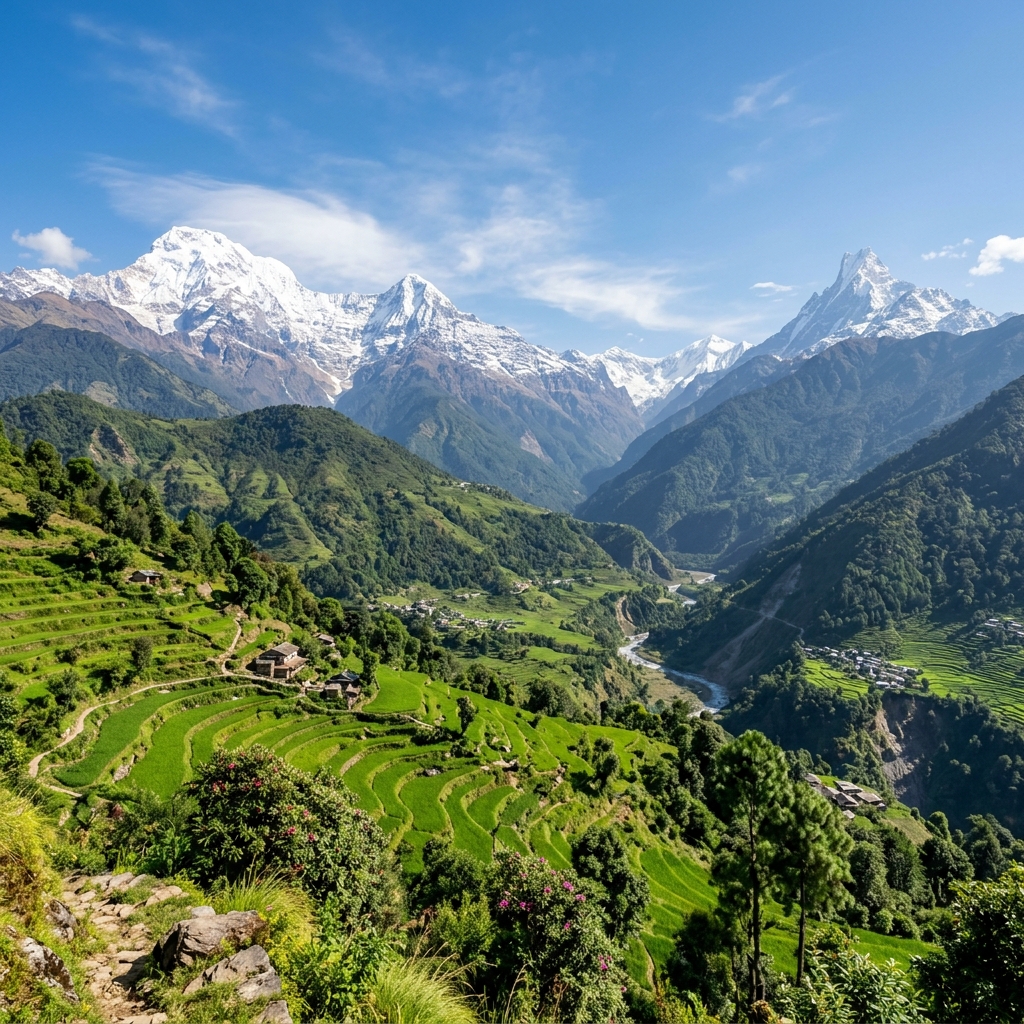
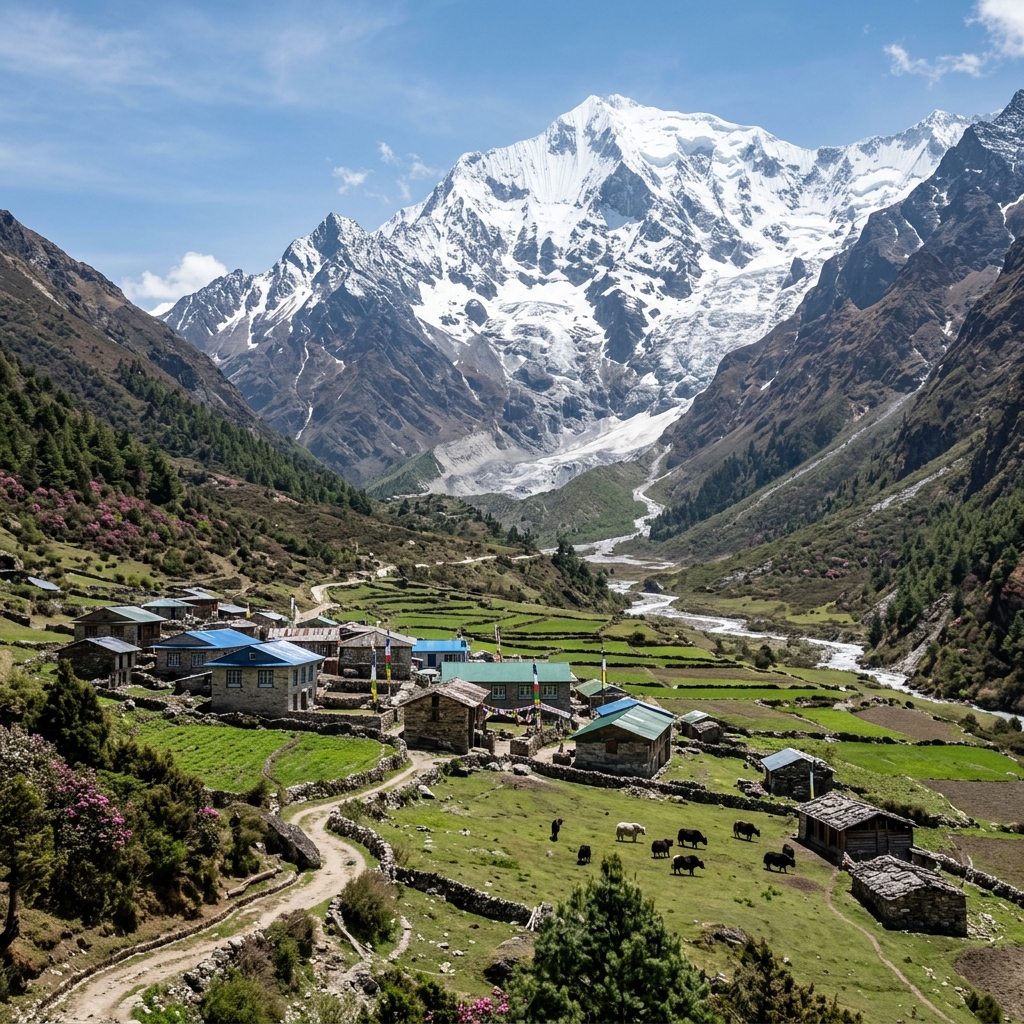
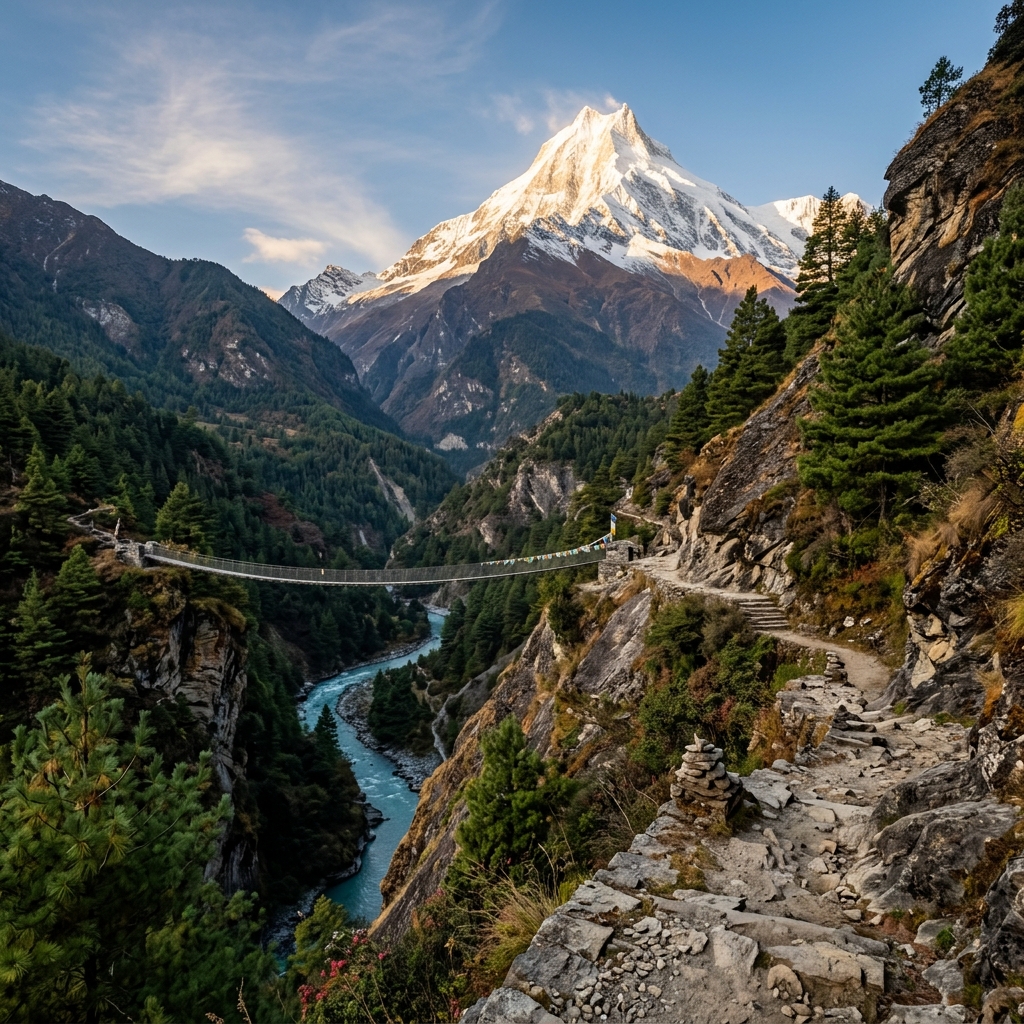
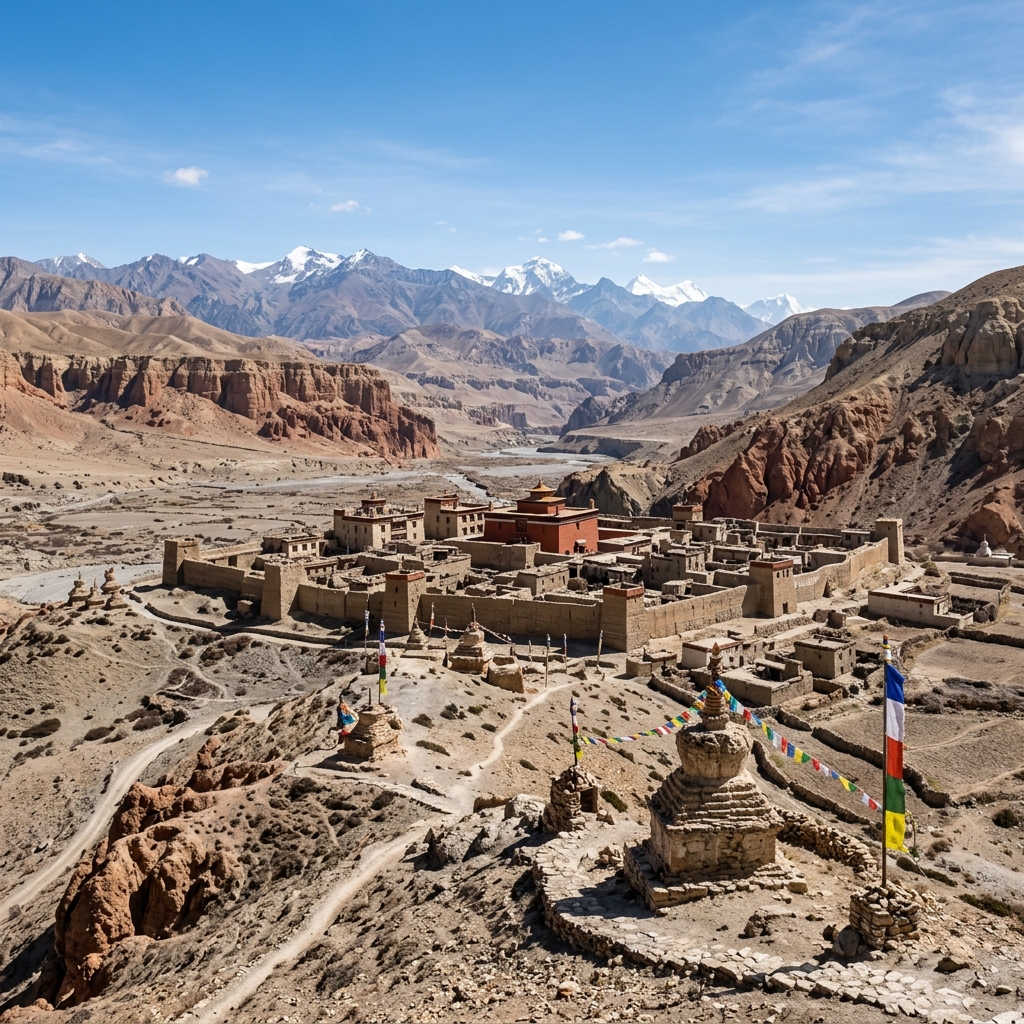
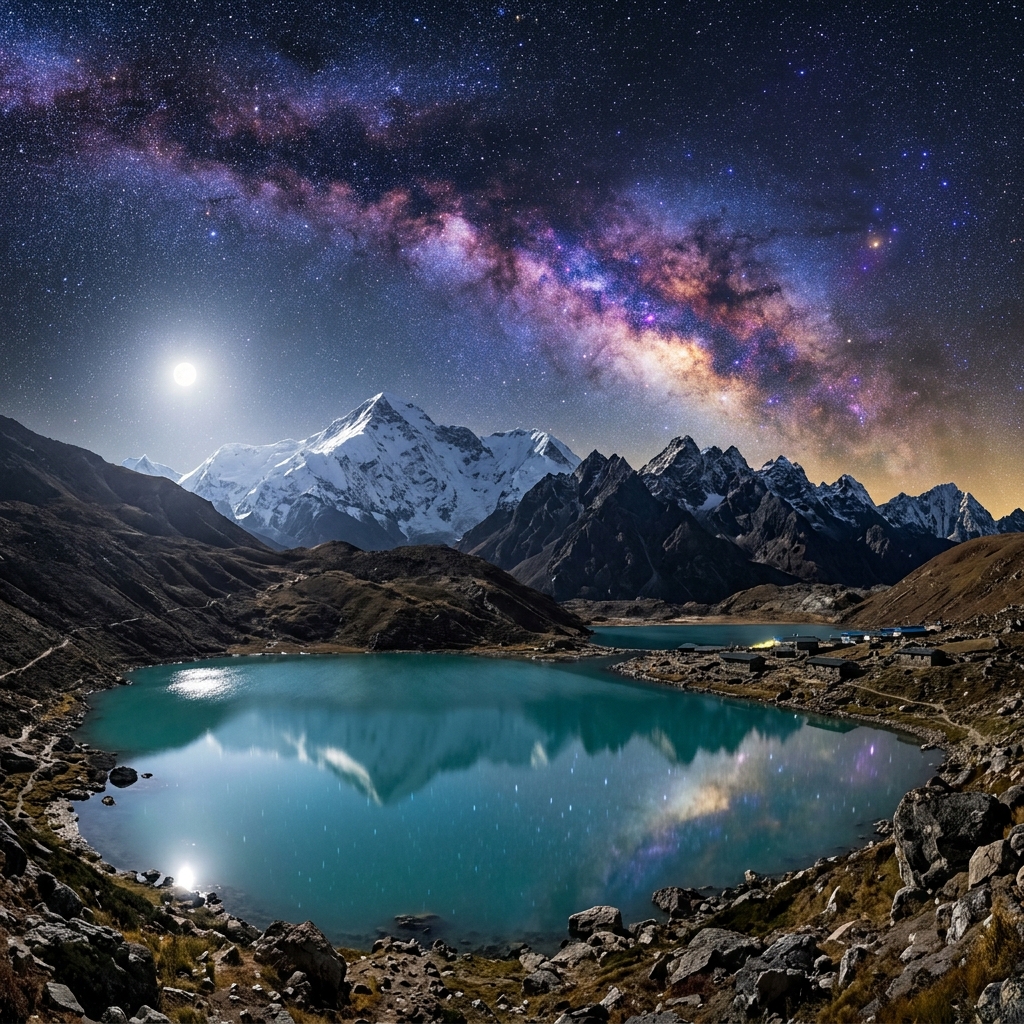

Witness the majestic peaks, alpine glacial lakes, ancient Buddhist gompas, and warm Sherpa hospitality captured across Nepal.
Photographing in the world's highest mountain range presents extraordinary optical opportunities alongside severe environmental challenges. Here is expert technical and field guidance from our senior Himalayan expedition guides and alpine photographers.
At elevations exceeding 4,000 meters, ultra-violet radiation and snow glare create extreme dynamic range. Use a multi-coated circular polarizing filter (CPL) to cut reflection, deepen sky contrast, and retain detail on glaciated peaks like Nuptse and Ama Dablam. Bracket your exposures during the rapid pre-dawn alpenglow.
Sub-zero night temperatures in high lodges like Gorak Shep, Thorong Phedi, or Dharmasala drain lithium-ion cells swiftly. Keep batteries in your inner jacket pocket during trekking hours and inside your sleeping bag liner overnight. Carry at least three dedicated camera batteries and a rugged high-capacity power bank.
Always ask courteous permission before photographing village elders, children, or monks inside sacred Buddhist monasteries such as Tengboche, Kyanjin, or Lo Gekar. Never fire flashes at ancient wall frescoes, and always walk clockwise around prayer wheels, chortens, and mani walls.
Nepal offers legendary vantage points: Kala Patthar (5,545m) for Mount Everest and Pumori; Gokyo Ri (5,357m) for Cho Oyu, Lhotse, and Makalu; Poon Hill (3,210m) for the golden sunrise across Dhaulagiri; and Larkya La (5,106m) for the raw alpine glaciers of Mount Manaslu.
Every scene in our photography gallery was captured on our certified guided treks. Explore complete itineraries, elevation profiles, guaranteed departures, and licensed Sherpa leadership.